Check engine light, flashing vs solid
The same light means two very different things depending on whether it blinks. What to do with each, and why the code is where diagnosis starts.
Flashing means stop soon
A check engine light that blinks is the car telling you a problem is happening right now, and it is usually a misfire. One or more cylinders are not burning their fuel properly, so raw fuel is going out into the exhaust. That fuel burns inside the catalytic converter, which gets very hot and can melt inside.
If the light is flashing, do not keep driving the car as normal. Back off the throttle, stay out of the fast lane on the 417, do not tow anything, and get off the road or to a shop. If the engine is shaking hard, stalling or smells strongly of fuel, have it towed rather than driven.
Solid means book it, do not ignore it
A steady light means the engine computer has seen a fault and stored a code, but it does not consider it an emergency. The car will often drive normally. That is why people leave it for months.
The trouble with a solid light is that it can only tell you about one thing at a time. If it is already on for a minor fault, a second, more serious fault turns on the same light that is already lit, and you have no way to know. A solid light also means the car may not be running as efficiently as it should, and a small problem like a sensor reading slightly wrong can slowly wear on other parts.
Book it in when it suits you, in the next week or two, and note anything else you have noticed: rough idle, worse fuel economy, a smell, a hesitation when you pull away.
The loose gas cap, and when it is really the cap
A gas cap that was not clicked tight lets fuel vapour escape, and the evaporative emissions system notices. It is a real cause of a solid light, usually after a fill up.
Tighten the cap until it clicks, then drive normally. The light will not go out right away. The system has to run its self test again, which can take a few days of driving with the right conditions. If it comes back on, or never goes out, the cause is more likely a cracked filler neck, a leaking purge valve or a split hose somewhere along the vapour lines, and those need a smoke test to find.
The light came on after a battery change
This one comes up often in the fall. The car was slow to start, the battery was replaced, and now the light is on.
A battery that was failing can let voltage sag low enough during cranking to set codes in the engine computer and other modules. Disconnecting the battery can also reset learned values, so some cars idle oddly or set a throttle code until they relearn. Occasionally a terminal was not tightened properly and the connection is still poor. Drive it for a few days. If the light is still on, or the car runs differently than it did, have it checked, and mention the battery change when you book.
Why a code read is not a diagnosis
Plenty of places will plug in a code reader for nothing and print you a number. That number is useful, but it names a symptom the computer saw, not the part that failed.
A few common examples:
- A lean code (P0171) means the computer sees more air than fuel. That can be a vacuum leak, a dirty or failing mass airflow sensor, a weak fuel pump, a clogged injector, or an exhaust leak fooling the oxygen sensor.
- A catalyst efficiency code (P0420) can be a worn converter, but it can also be a tired oxygen sensor or a small exhaust leak ahead of it.
- A random misfire code (P0300) can come from spark plugs, coils, injectors, a vacuum leak or low compression.
Replacing the part named in the code description is how people end up buying a mass airflow sensor they did not need. The code tells us which system to test. The testing is what tells us what failed.
What the diagnostic covers here
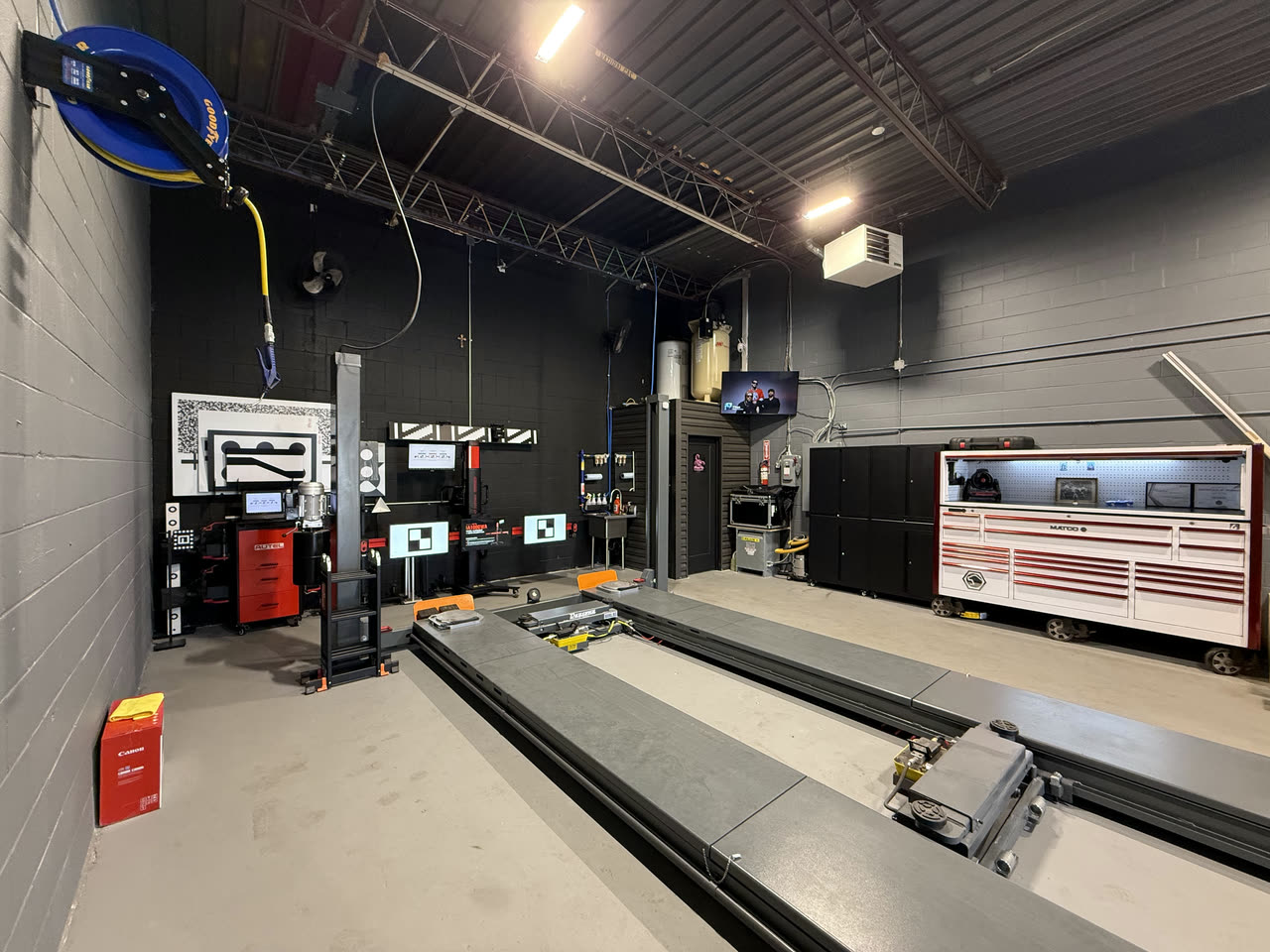
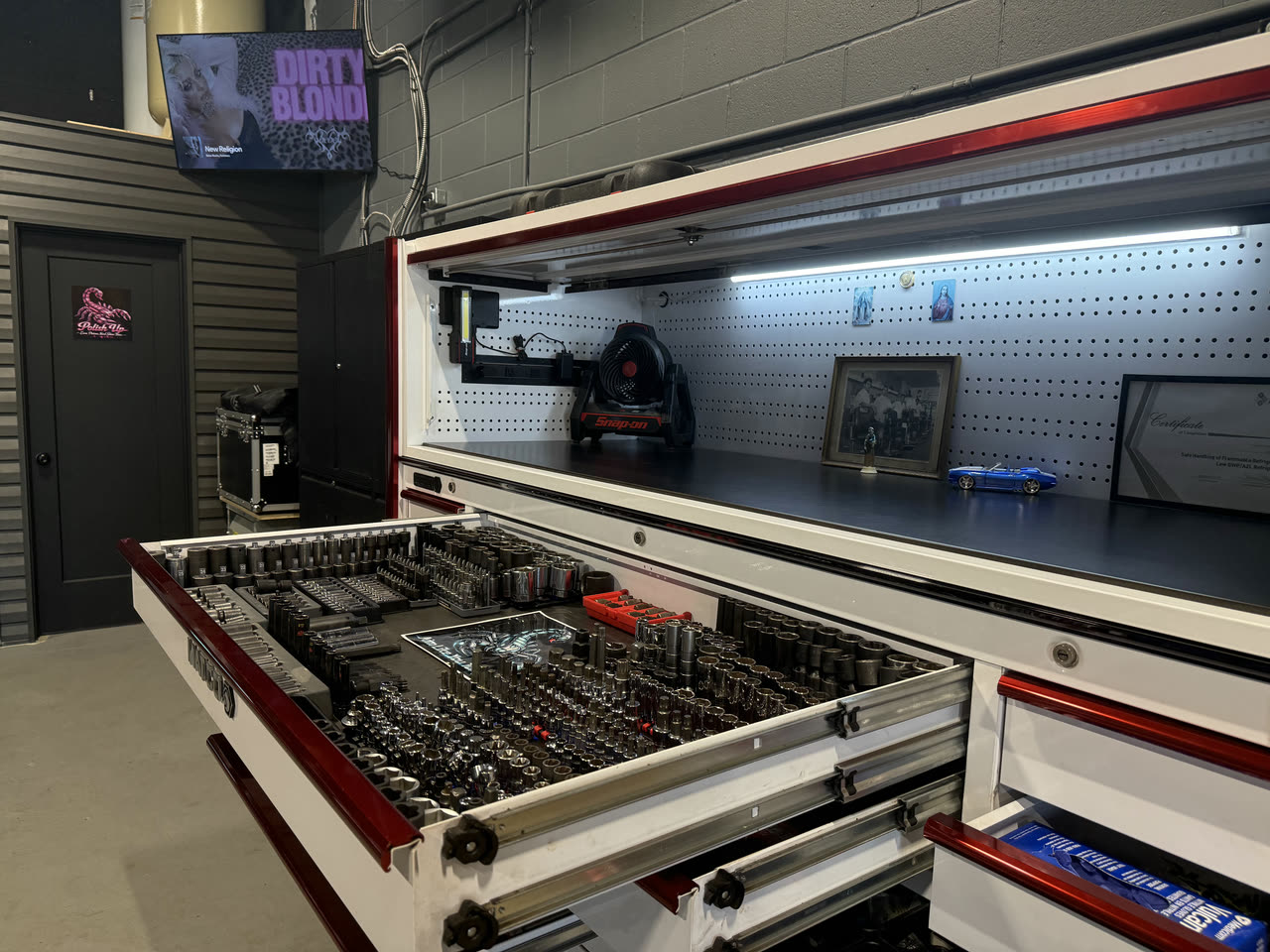
A drivability or electrical diagnostic at Scorpion Auto Tech starts at $150 and includes the scan. After reading the codes and the freeze frame data (a snapshot of what the engine was doing when the fault set), the tech tests the system the code points to. Depending on the fault, that can mean checking live sensor data, smoke testing for leaks, checking fuel pressure, or swapping coils between cylinders to see whether a misfire follows the coil.
You get a call with what failed, what the repair costs and what can wait. Nothing is replaced without your go ahead. More detail on how we approach it is on the check engine light and car diagnostics pages, and if the testing points inside the engine, the engine repair page covers what comes next.
When you book, attach a photo of the dash with the light on and describe when it happens, cold or warm, at idle or at highway speed. It saves time on the bench.
Questions people ask
Is it safe to drive with a flashing check engine light?
Not for long. A flashing light usually means the engine is misfiring badly enough that unburned fuel is reaching the catalytic converter, which can overheat and damage it. Ease off, avoid hard acceleration and towing, and get the car somewhere it can be looked at.
Why did my check engine light come on after changing the battery?
A battery that was weak before it was replaced can let the voltage drop low enough to set fault codes in several modules. Some cars also need an idle or throttle relearn after the power has been off. If the light stays on after a few days of normal driving, have the codes read and the cause checked.
How much does a check engine light diagnosis cost in Ottawa?
At Scorpion Auto Tech on Blackwell Street, a drivability or electrical diagnostic starts at $150 and includes the scan. That covers reading the codes and the testing that follows to find the failed part. You get the cause and a repair price before any repair is done.
Related work
Book it tonight
Pick a time on the booking page whenever it suits you, describe what the car is doing and add a few photos. Drop it off on the day you picked, before 4pm.