Do you need winter tires in Ottawa, ON
Ontario does not require winter tires by law. What the province does require is that insurance companies offer a discount on your premium if you run winter tires every season, so it is worth a call to your insurer. The real reason most Ottawa drivers use them is the rubber itself. All season tires harden as the temperature drops and lose grip well before the roads freeze, while winter tires stay soft and carry tread designed to bite into snow and slush.
Across the river the rules change. Quebec requires winter tires on Quebec registered passenger vehicles from December 1 to March 15, and the tires must carry the three peak mountain snowflake symbol. All weather tires with that symbol also count. The law follows the plate, so if you live in Gatineau and your car is registered there, it applies to you. If you live in Ottawa and commute across the bridges, it does not, though you are driving the same roads as everyone it does apply to.
When to swap: the 7°C rule
The usual rule of thumb is 7°C. Once daytime temperatures sit below about seven degrees, the compound in all season tires starts to stiffen and winter tires grip better, even on dry pavement. In Ottawa that tends to arrive from late October into early November. In spring, wait until daytime highs are reliably above seven and the overnight freezes have eased, which here usually means April. A late March storm is a bad time to discover your summer tires are already on.
Tires on rims or off rims
There are two kinds of tire change, and the price depends on which one your car needs.
- Tires on rims, $60. You have a second set already mounted on its own wheels. One set comes off, the other goes on, pressures are set and the wheel nuts are torqued.
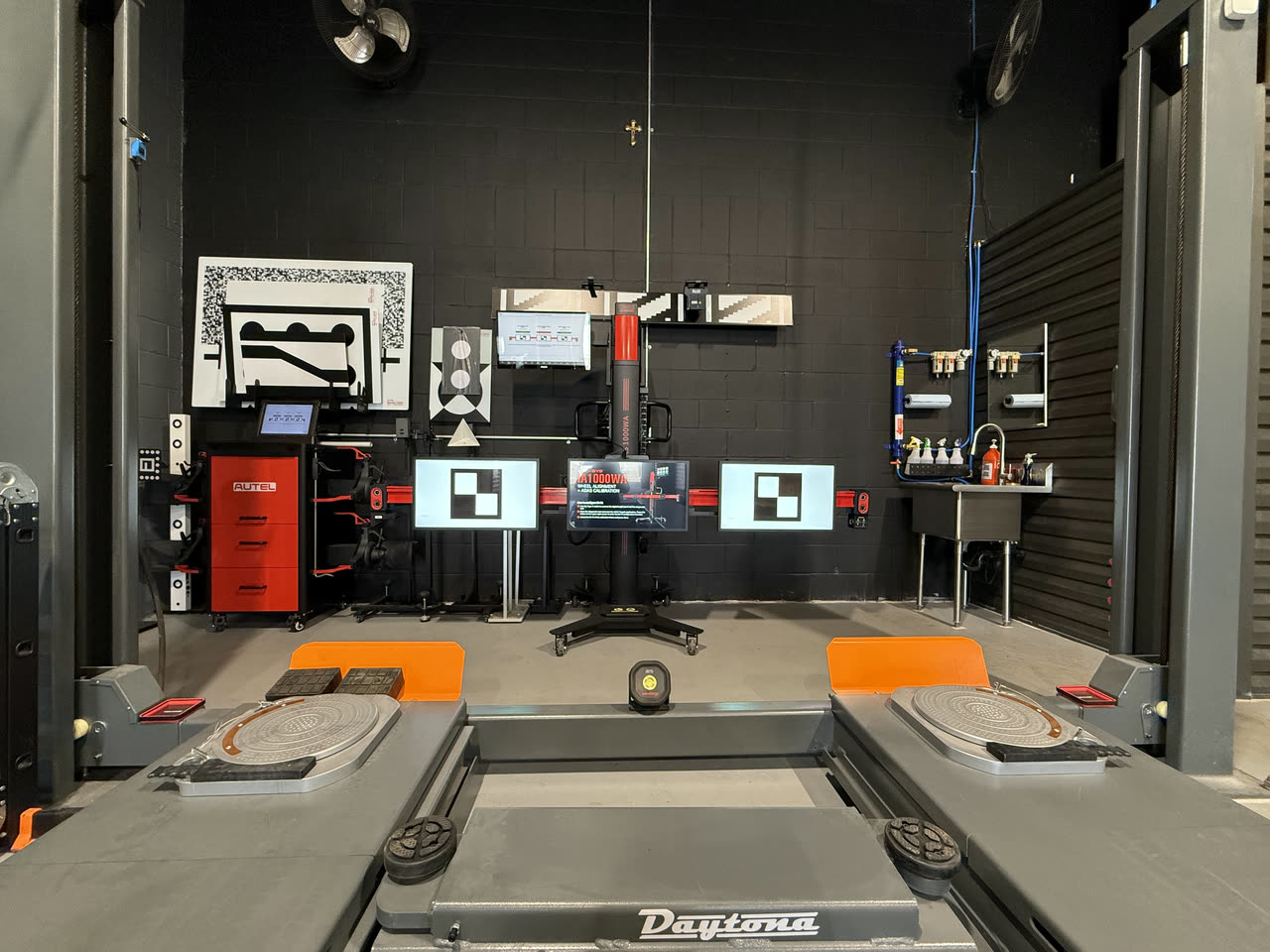
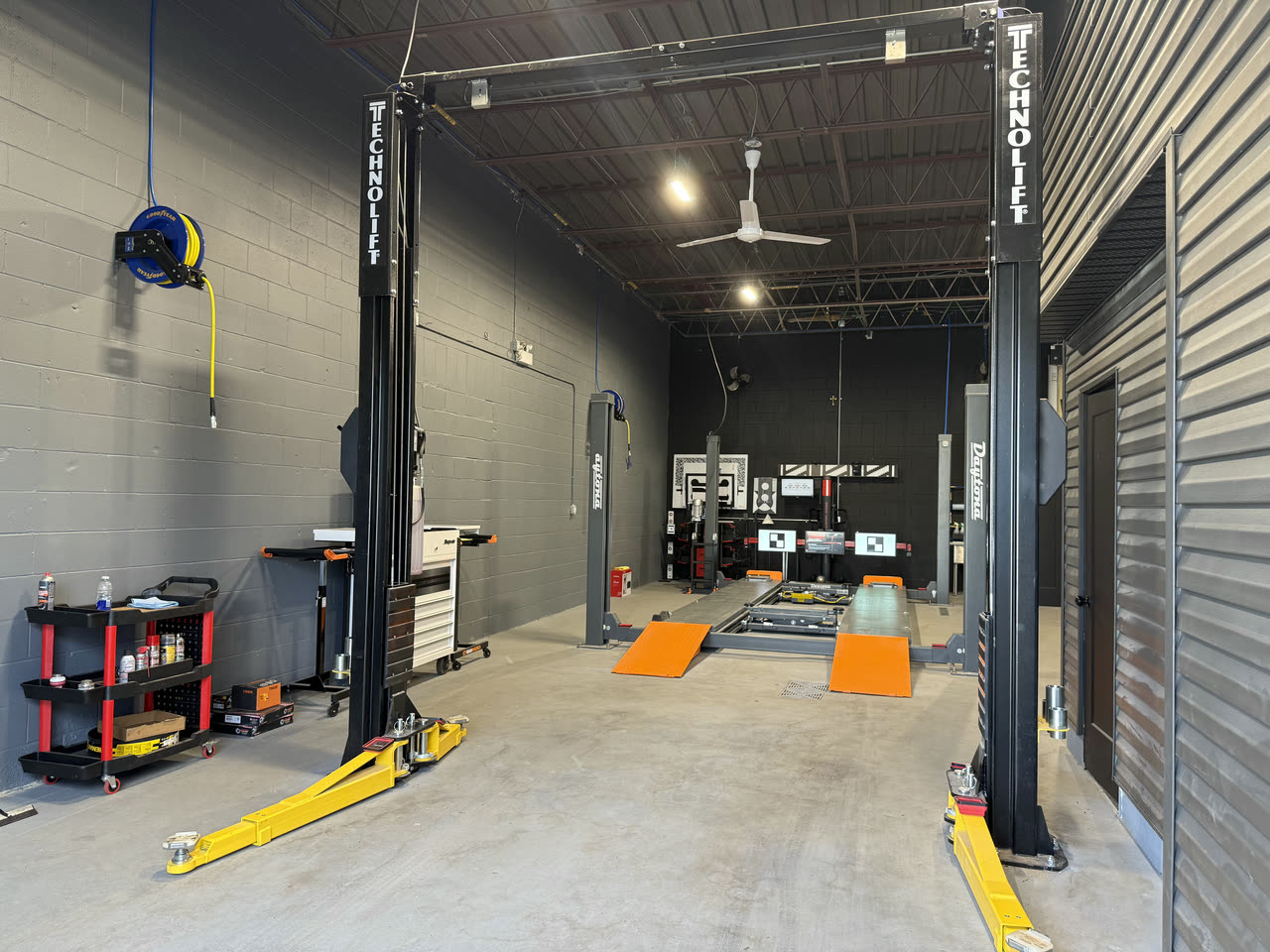
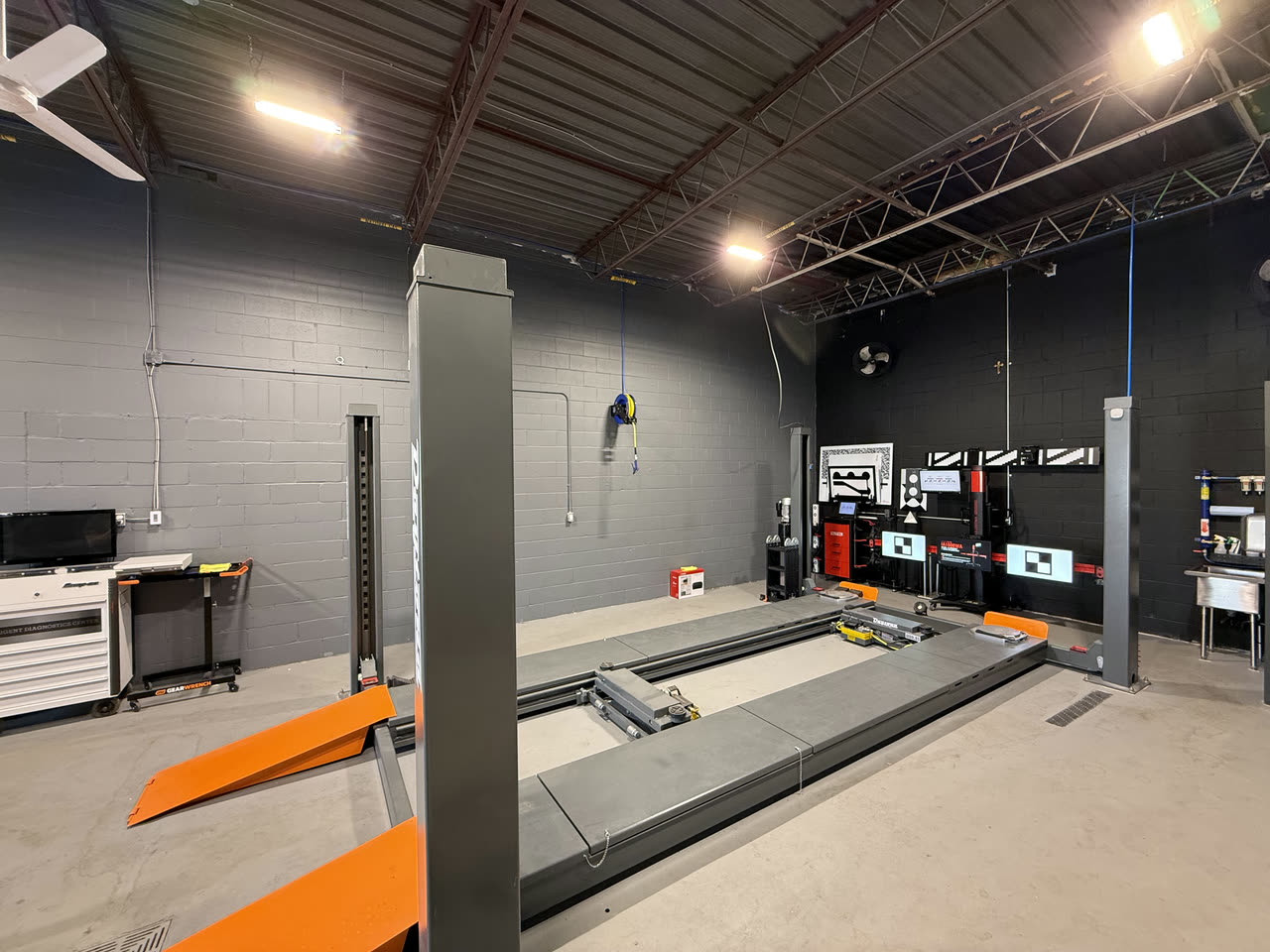
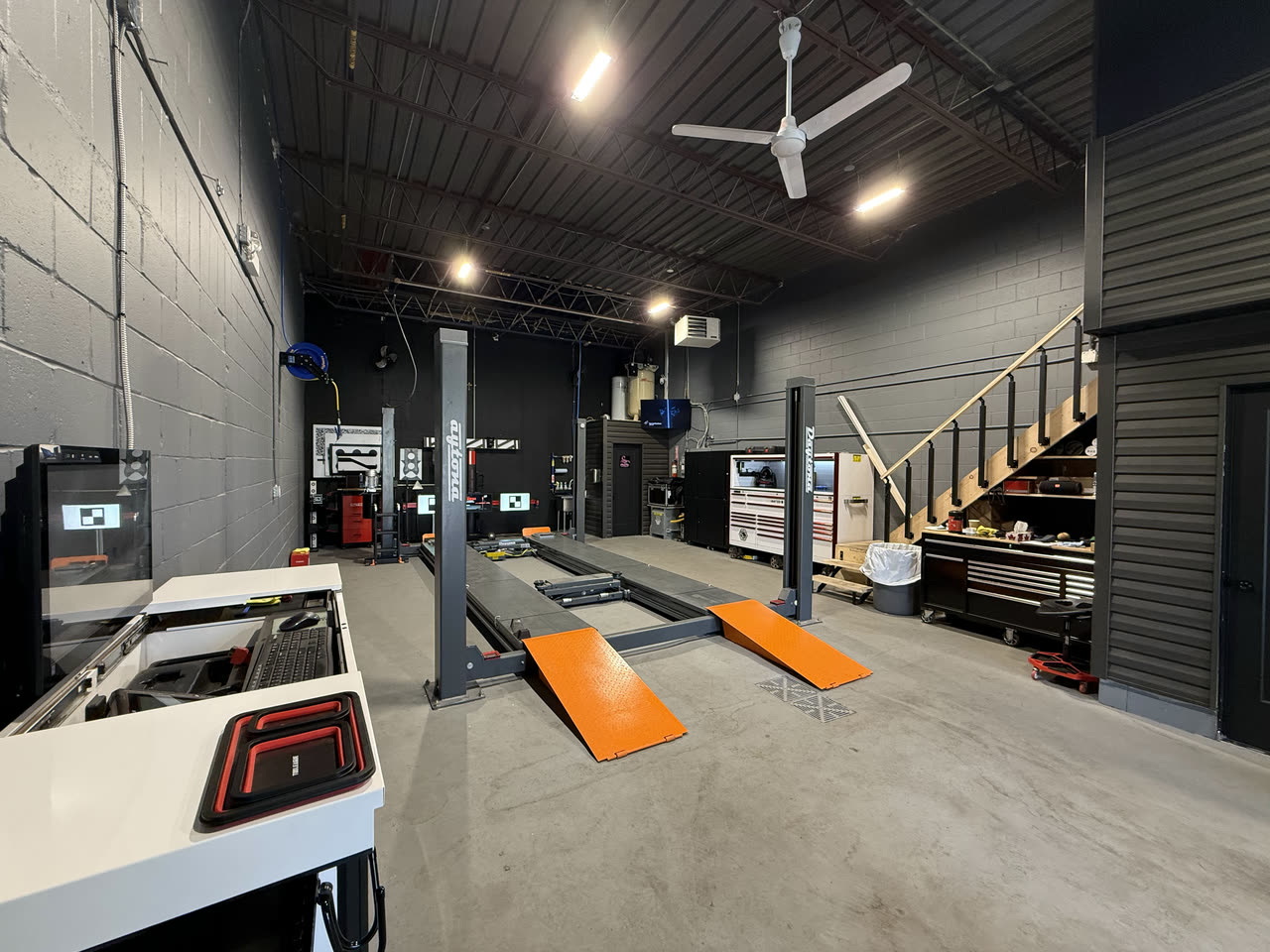
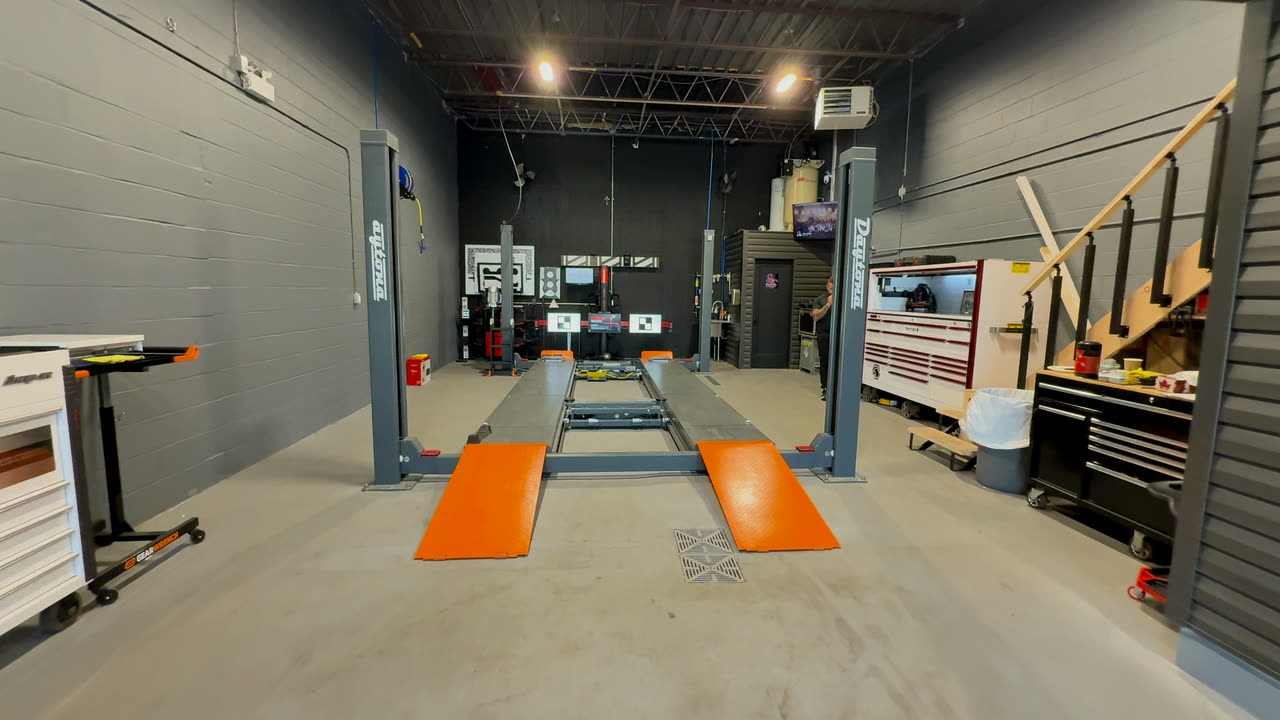
- Tires off rims, from $120. You have one set of wheels and two sets of tires. Each tire is taken off the rim and the other set is mounted in its place, with new valve stems where they are needed, then each wheel is balanced. That work happens on the tire changer beside our alignment lift.
Both prices are labour, before tax, parts extra. A second set of rims costs money up front, but it makes every swap after that cheaper and spares the tire beads from being stretched over the rim twice a year.
Tire pressure sensors
Most cars built since the late 2000s have a tire pressure monitoring system, or TPMS, with a sensor inside each wheel. If your winter set has no sensors, the warning light stays on all season and you lose the low pressure warning entirely. Fitting sensors to the winter wheels solves that. Depending on the car, new or swapped sensors may need a relearn with a scan tool so the car knows which sensor sits at which corner.
Sensors run on sealed batteries that eventually die, and their metal valve stems corrode in salt. Cold also drops tire pressure, roughly one psi for every five or six degrees, so a light that comes on during the first frosty morning is often just pressure, not a failed sensor.
Wheel locks, torque and the re torque
If your wheels have locking nuts, leave the key in the car, in the glovebox or the centre console, and tell us where it is. Without the key, a locked wheel has to come off with a special extractor, which takes time and usually ruins the lock.
Every wheel nut gets tightened with a torque wrench to the manufacturer’s specification, rather than left at whatever the impact gun delivered. Overtightening stretches studs, and uneven torque can distort the rotor enough to cause a pulsing brake pedal, the kind of complaint that otherwise ends up as a brake repair visit. Alloy wheels settle slightly after installation, so have the torque checked again after the first 50 to 100 kilometres.
Tires that keep losing air
A tire that needs air every week usually has a nail in it, a corroded bead seat on an alloy rim, or a leaking valve stem. Salt eats at alloy wheels exactly where the tire seals against the rim, and cleaning and resealing the bead usually stops the leak. A puncture in the tread can often be repaired from the inside. One in the sidewall cannot, and that tire has to be replaced.
Book before the late fall rush
Late October and November are the busiest weeks of the year for tire changes in Ottawa, and open slots get scarce once snow appears in the forecast. The shop is a few minutes from the 417 at Innes Road, and booking online lets you pick an open time at any hour instead of calling around. Mark each tire with its position, such as FL or RR, so they can be rotated at the swap. Uneven wear on the inside edges is worth a look at the wheel alignment while the car is in.
Questions
How much does a tire change cost in Ottawa?
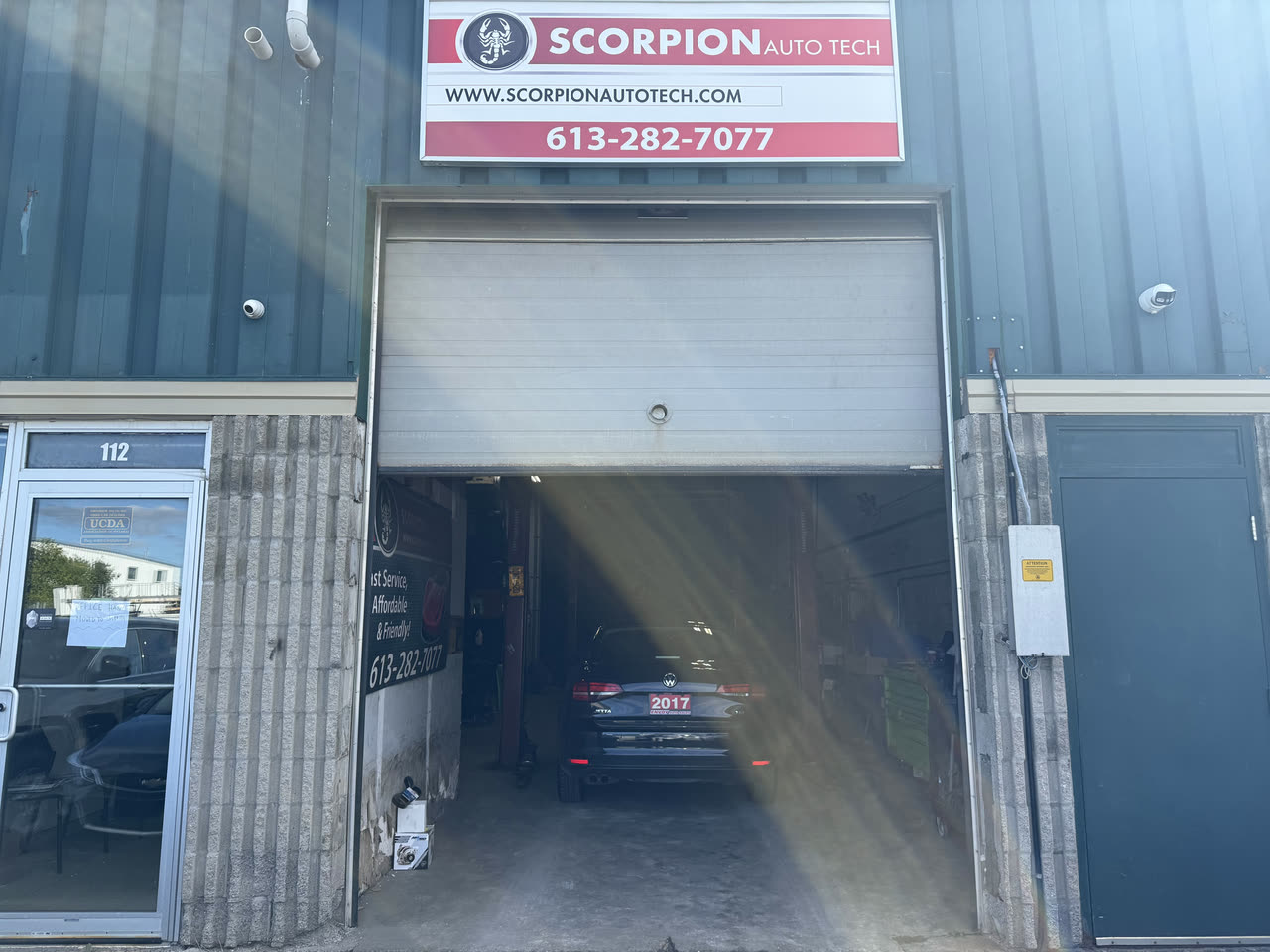
At Scorpion Auto Tech on Blackwell Street in Ottawa, a seasonal swap with tires already on their own rims is $60 before tax. Mounting and balancing tires onto your existing rims starts at $120 before tax. Parts such as valve stems or sensors are extra.
When should I put winter tires on in Ottawa?
A common rule of thumb is to switch once daytime temperatures stay below about 7 degrees Celsius, because all season tires stiffen in the cold. In Ottawa that usually means late October or early November. Booking before the first snow forecast avoids the rush.
Are winter tires mandatory in Ontario?
No. Ontario has no law requiring winter tires on passenger vehicles. Ontario insurers are, however, required to offer a premium discount to drivers who use winter tires, so it is worth asking your insurance company about it.
Do I need winter tires to drive in Gatineau?
Quebec requires winter tires from December 1 to March 15 on passenger vehicles registered in Quebec, and they must carry the three peak mountain snowflake symbol. The law applies to Quebec plated vehicles, so Ontario plated cars crossing the bridges are not covered by it, but they face the same winter roads.
Should I retorque my wheels after a tire change?
Yes, it is good practice. Wheels can settle slightly against the hub after they are installed, especially alloy wheels, so the nuts should be checked with a torque wrench after the first 50 to 100 kilometres. It only takes a few minutes.