What a safety certificate does not tell you
An Ontario Safety Standards Certificate, now issued electronically through the province’s DriveON system, answers one narrow question. Does this vehicle meet the minimum safety standard on the day it was inspected. Brakes, tires, steering, suspension, lights, body structure and a short list of other items, pass or fail. The Ontario safety inspection page explains what that covers.
What a safety leaves out is most of what decides whether a used car is a good buy. Engine condition, oil and coolant leaks, how the transmission shifts, whether the A/C works, warning lights, rust that has not reached a structural part yet, and the repairs that are coming in the next twelve months. A car can pass a safety in October and need serious money spent on it by spring. A pre purchase inspection is about the whole car and what it will cost you to own it.
What we check with the car on a lift
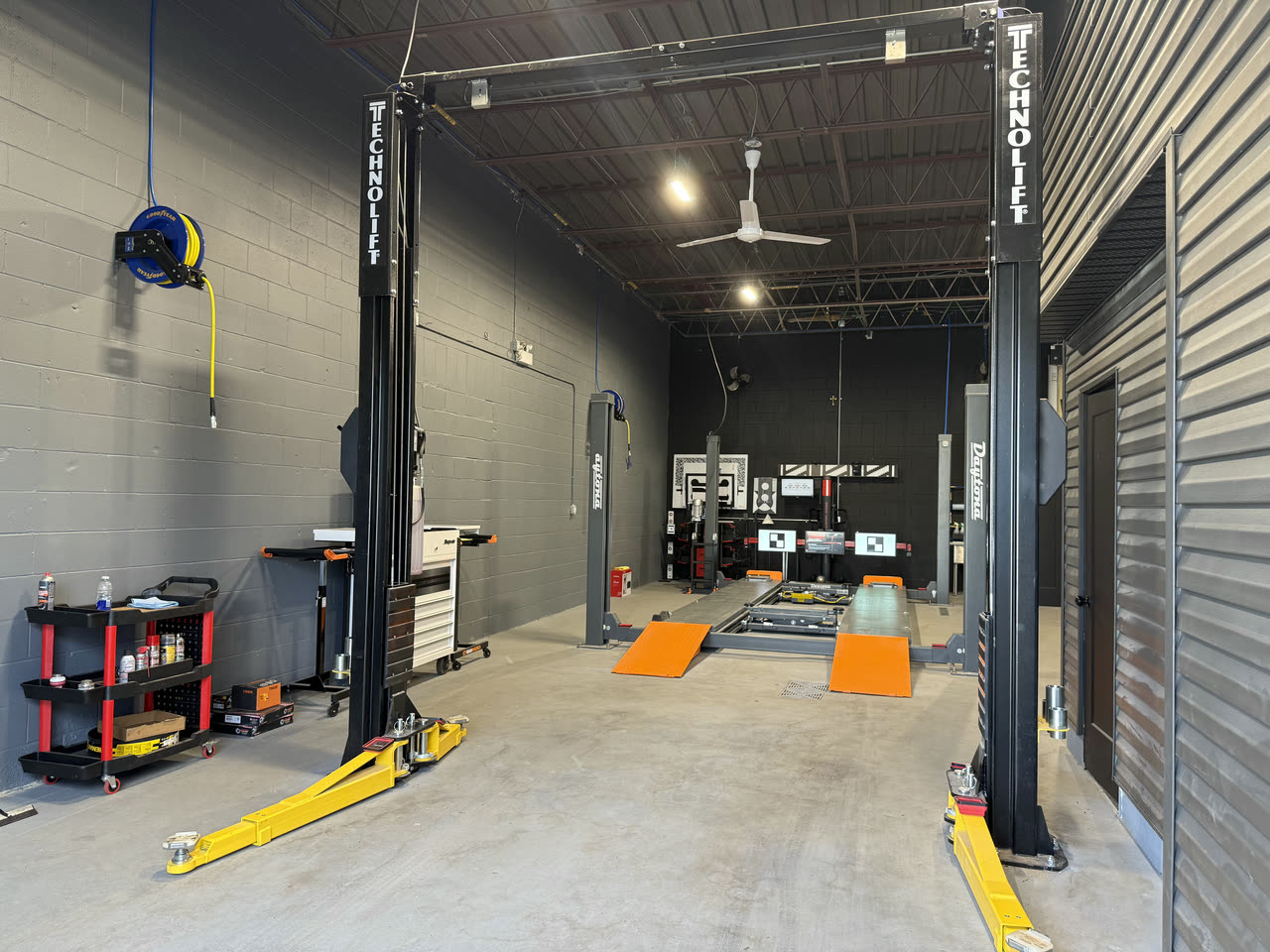
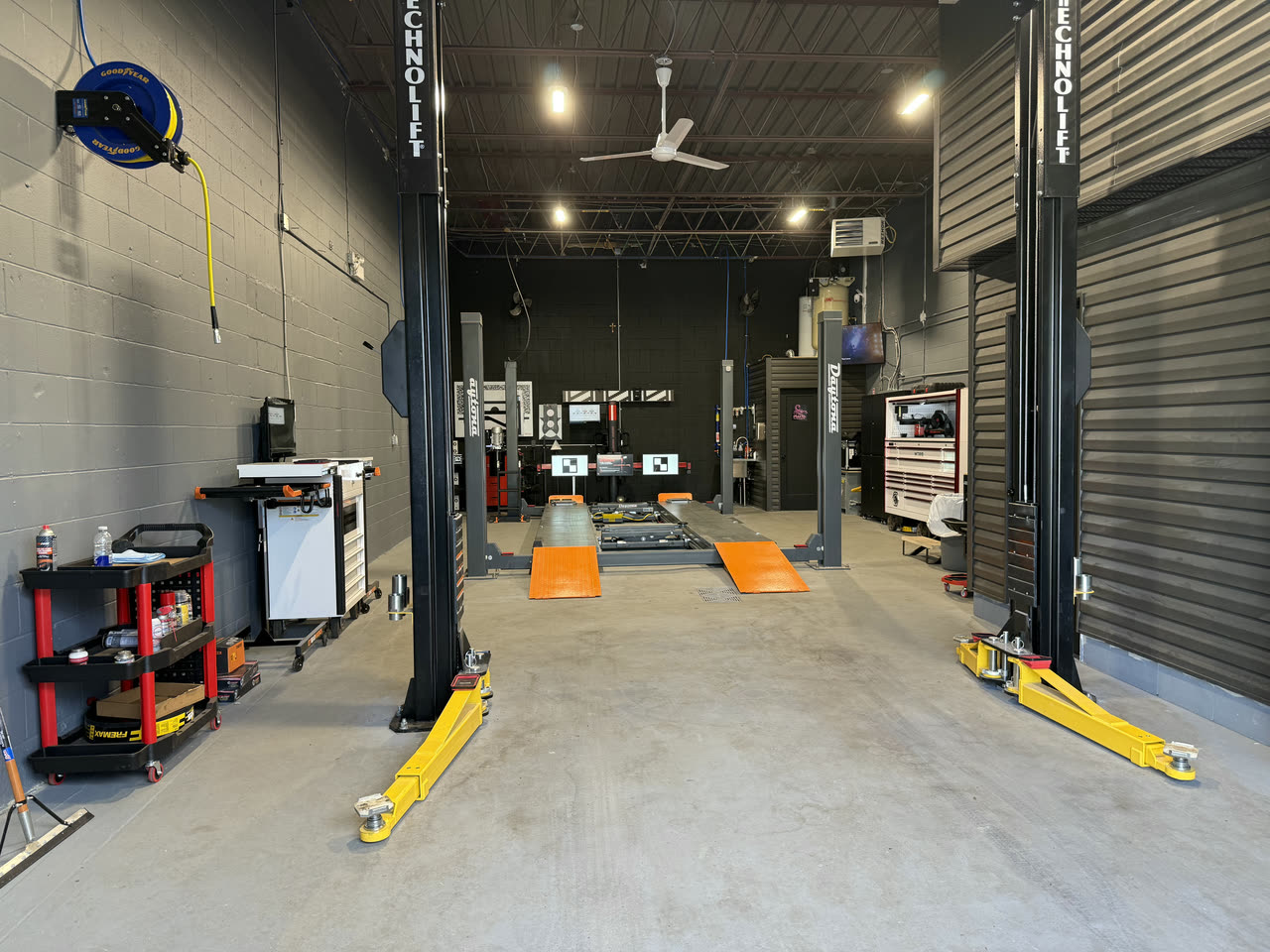
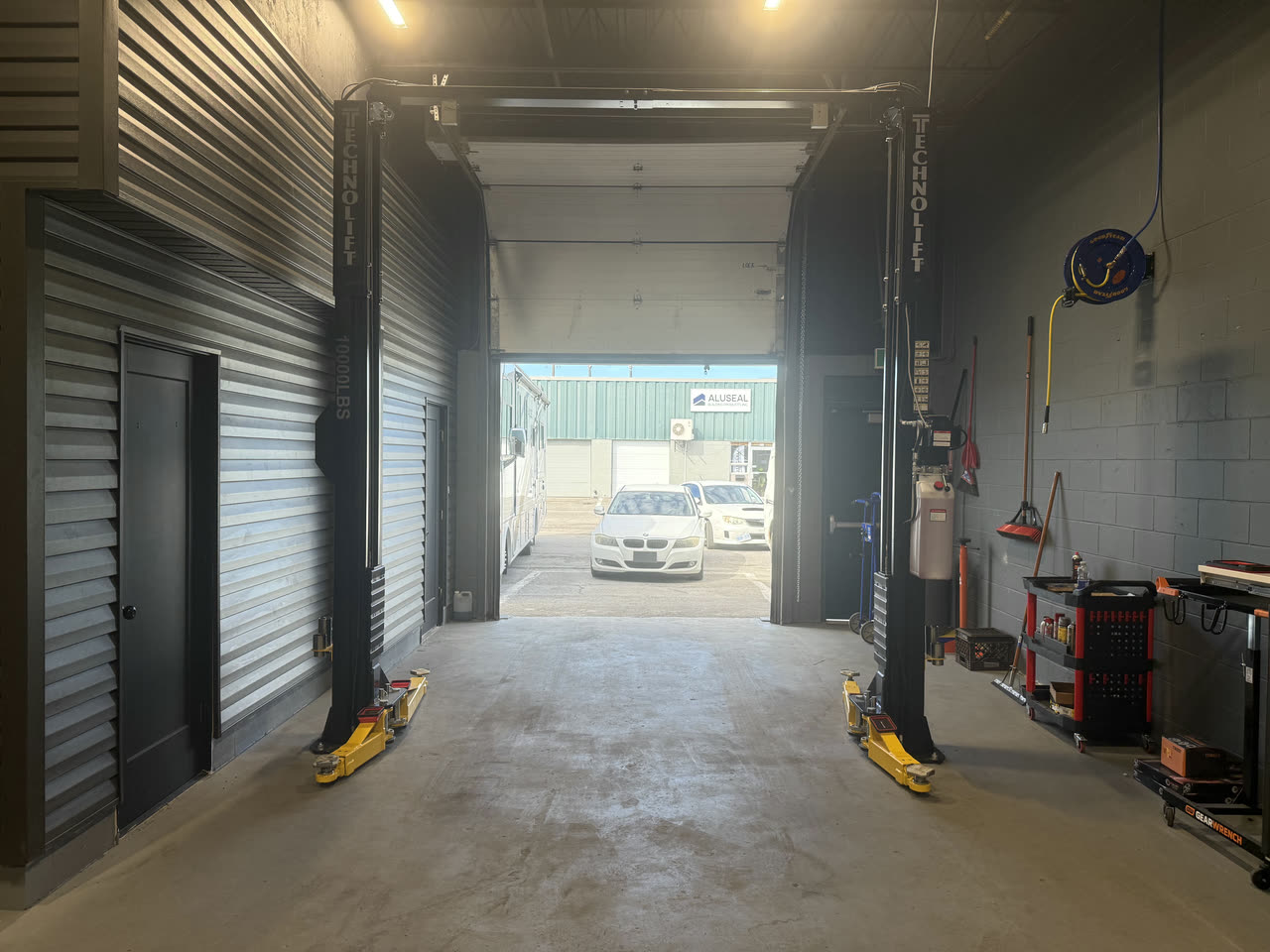
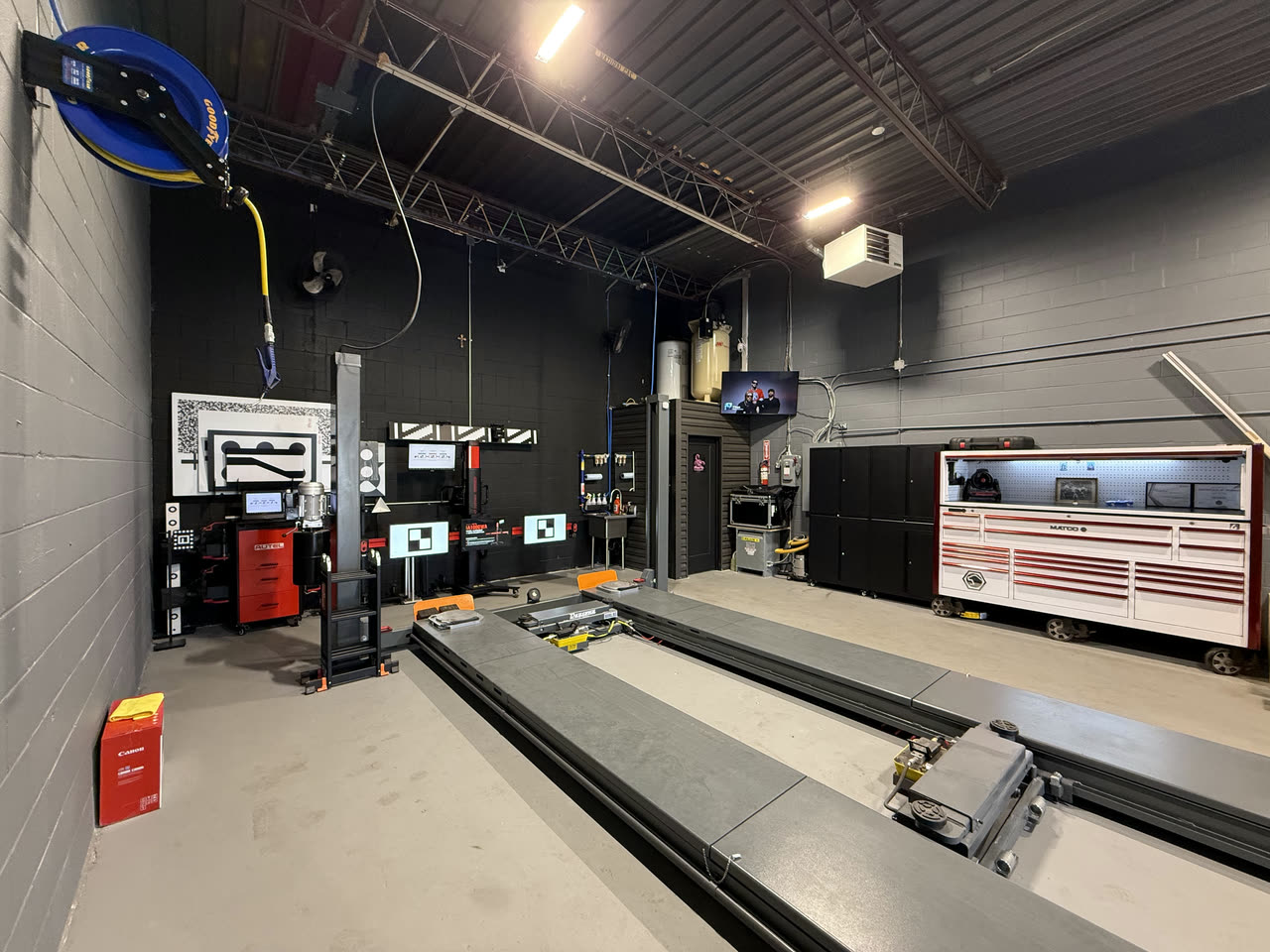
A pre purchase inspection goes up on one of the two post lifts so the whole underside is at eye level with the wheels hanging free. That is where most of the answers are. A typical inspection covers:
- Brake pads and rotors, measured, plus the calipers and the steel brake lines along the frame
- Tires, tread depth across the full width, and wear patterns that point to alignment or suspension trouble
- Ball joints, tie rods, control arm bushings, sway bar links and wheel bearings, checked for play with the weight off them
- Struts, shocks and coil springs, including cracked or broken coils, which are common after a few Ottawa winters
- Oil, coolant and fluid leaks from the engine, transmission, differentials and power steering
- The exhaust, CV axles and boots, and the fuel lines
- Frame rails, subframe mounts, rocker panels and floor pans
- Fluid levels and condition, belts and hoses, the battery and the charging system
- Lights, wipers, heat, A/C, power windows and locks, and every gauge on the dash
Then it gets a road test. We listen for a wheel bearing hum, clunks over rough pavement, a transmission that slips or bangs into gear, and a brake pedal that pulses.
The scan, and codes that were just cleared
The inspection includes a scan of the engine computer and, where the car allows it, the other modules such as ABS, airbag and transmission. Stored codes matter, and so do pending codes. A pending code is a fault the computer has seen once and is waiting to see again before it turns on the light.
The scan also shows readiness monitors. These are self tests the car runs over a few days of normal driving. When someone clears the codes before a sale to make the check engine light go away, the monitors reset to incomplete. Several incomplete monitors on a car whose seller says the light has never been on is worth a question. If the scan turns up something that needs proper testing, that becomes a diagnostic job, and we tell you before going further.
Rust, accident and flood repairs that hide well
Ottawa cars sit in salt from November to April, so rust is the first thing we look at and the thing buyers miss most. Fresh black undercoating on an older car can be protection, or it can be covering rot. We look closely at the rocker panels, rear wheel arches, frame rails, subframe mounts and the brake lines above the fuel tank. Body filler on a rocker shows up with a magnet and a close look at the texture under good light.
Collision repair leaves its own marks. Paint overspray on rubber seals and trim, panel gaps wider on one side than the other, fender and hood hinge bolts with cracked paint from being turned, one new headlight on an otherwise faded car, and kinks or fresh welds in the frame rails behind the bumpers. None of these make a car a bad buy on their own. They mean you should know, and ask for the repair history.
Flood cars turn up here too, usually brought in from somewhere else after a big storm. Silt or a waterline under the carpet and in the spare tire well, rust on the seat rails and seat bolts, foggy headlights, green corrosion on connectors under the dash, and a musty smell that the air freshener is working hard to hide.
Private sale or dealer lot
A private sale in Ontario is as is. Once you pay, every problem is yours. The seller has to give you the Used Vehicle Information Package, which shows the ownership history and any liens, but it says nothing about mechanical condition. That makes an inspection worth the most on a private sale.
Buying from a dealer is different, though not by as much as people expect. A registered dealer has to disclose certain things, like significant past collision damage or a vehicle that was written off and rebuilt, and most retail cars go out with a safety. A safety from the dealer’s own shop is still only a safety. Most dealers will let a car go out for an independent inspection if you ask on a weekday. If one says no, that is useful to know.
Setting it up with a private seller
The simplest way is to book the inspection yourself and have the seller drop the car off at 2595 Blackwell St in Ottawa, ON, or meet them here. The booking page is open around the clock. Choose Inspection, add the car by scanning the VIN with your phone or entering the year, make and model, and write in the notes that it is a pre purchase inspection and what worries you about it. Drop off is Monday to Friday, with the last drop off at 4pm.
Inspection time is $120 an hour, before tax, parts extra if you decide to have anything fixed.
We go through the findings with you, the buyer. What is safe now, what is wearing, what is due soon, and which items are the expensive ones. Then the decision is yours. Some people use the list to walk away. Others use it to take the cost of brakes and a set of tires off the asking price.
Questions
How much is a pre purchase inspection in Ottawa?
At Scorpion Auto Tech a pre purchase inspection is booked as an Inspection and billed at $120 an hour before tax. The time depends on the vehicle and how far you want us to go, such as a full scan and road test on top of the lift inspection.
Is a safety certificate the same as a pre purchase inspection?
No. An Ontario Safety Standards Certificate, issued electronically through DriveON, only confirms the vehicle meets minimum safety standards on the day it was inspected. It says nothing about engine condition, leaks, the transmission or the A/C. A pre purchase inspection looks at the whole car and what it is likely to cost you over the next year.
Can I get a used car inspected before buying it from a private seller?
Yes, as long as the seller agrees to bring the car in or lets you drive it to the shop. Book an Inspection online, note that it is a pre purchase check, and we go over the findings with you as the buyer. A seller who refuses an independent inspection is telling you something.
How can you tell if a used car has been in a flood?
Look for silt or a dried waterline under the carpet and in the spare tire well, rust on the seat rails and seat bolts, and corrosion on wiring connectors under the dash. Foggy headlights and a musty smell masked by strong air freshener are other clues. A lift inspection also shows fresh rust in places that normally stay dry.
What does a mechanic check during a used car inspection?
Brakes, tires, steering and suspension parts, fluid leaks, the exhaust, rust on the frame and rocker panels, signs of collision repair, and every switch, light and gauge. The computer gets scanned for stored and pending trouble codes, and the car gets a road test. You come away with what is fine, what is wearing and what needs work soon.