Steady light or flashing light
A steady check engine light means the engine control module found a fault that affects emissions or engine running and stored a code. The car is usually fine to drive to an appointment, but it is not a light to live with for months. A small fault left alone can damage something more expensive, and while the light is already on, a second problem can set a new code without you ever noticing.
A flashing light is a different situation. A flashing check engine light means a misfire bad enough to damage the catalytic converter. Unburned fuel is passing into the exhaust and burning inside the converter, which can overheat and melt its insides. Ease off the throttle, stay off the highway, and get the car looked at before driving it any real distance. If it is shaking hard or you smell raw fuel, have it towed rather than driven.
Is it just the gas cap
The gas cap advice is half true. The evaporative emission system, usually called EVAP, seals the fuel tank and its vapours, and the computer runs a leak test on it while the car sits. A cap that was not clicked tight after a fill up can fail that test and set a code. Tighten it, and if that was the problem, the light goes off by itself after several days of driving, once the test has run again and passed.
If the light is still on after a week, the cap was not the problem. On cars that have lived through a few Ottawa winters, the more common EVAP faults are a purge valve stuck open under the hood, a canister vent valve near the tank that has corroded from years of salt spray, or a rusted filler neck. Each of these is a modest repair once it has been found, but finding it takes testing.
Codes we see often on Ottawa cars
A handful of code families come up over and over on cars that spend their winters on Ottawa roads.
- Catalyst and oxygen sensor codes, such as P0420. The computer compares the oxygen sensors before and after the catalytic converter. A worn out converter is one cause. So is a slow sensor, or an exhaust leak at a rusted flange or flex pipe that lets air in ahead of the rear sensor.
- EVAP codes, such as P0455 for a large leak and P0456 for a very small one. Vent valves, purge valves, cracked hoses and filler necks are the usual finds.
- Misfire codes. P0300 means random misfires, while P0301 through P0306 point to a specific cylinder. Coils, spark plugs, injectors and vacuum leaks are the regular suspects, and damp cold mornings tend to expose a weak coil first.
- Thermostat codes, such as P0128. The engine is taking too long to warm up, usually because the thermostat is stuck open. In winter you often notice weak heat from the vents before you notice the light.
Why a free code read is not a diagnosis
Parts stores will read your code in the parking lot, and that has its uses. You leave with a code number and a printout listing the most likely part, which tends to be something on their shelf. A code tells you which test the computer failed. It does not tell you why it failed.
P0420 shows the difference. The printout may say catalytic converter, often the most expensive item on the list. A real check engine light diagnosis looks at the freeze frame data recorded when the code set, watches both oxygen sensors live, checks for exhaust leaks and any history of misfires, and only then decides whether the converter is actually finished. That can be the difference between a sensor and a converter on your bill.
What a check engine light diagnosis costs
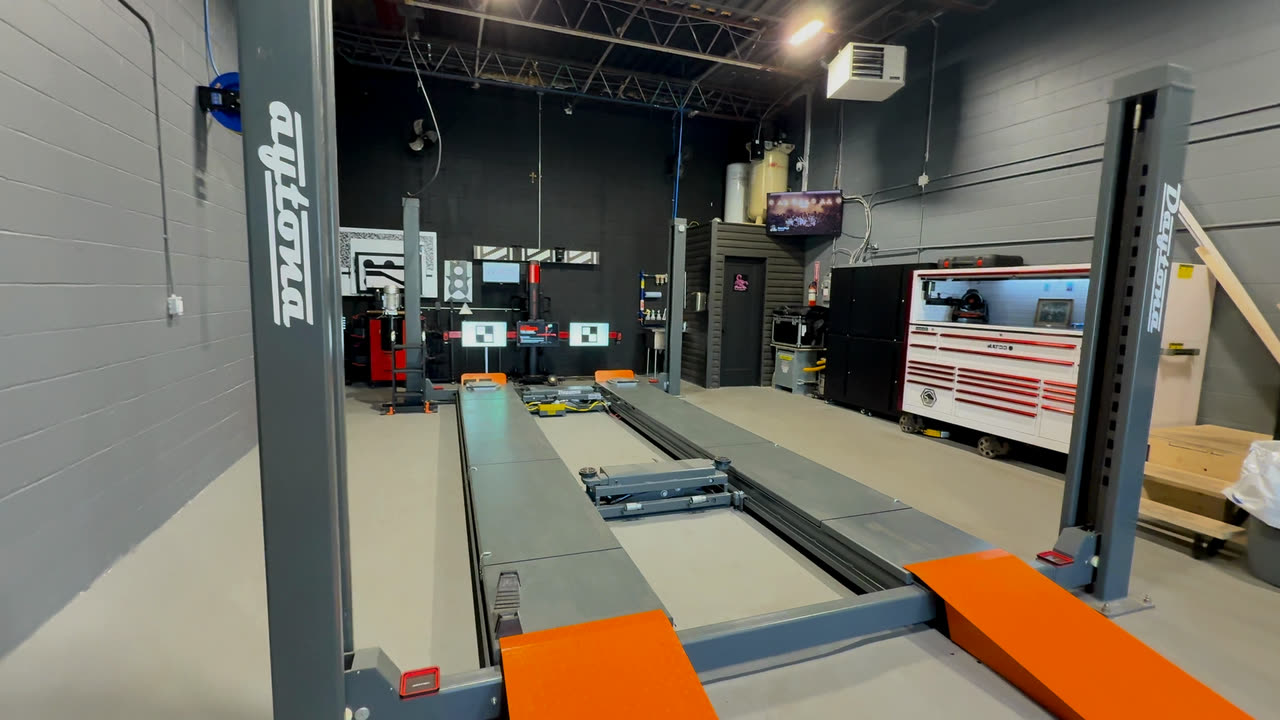
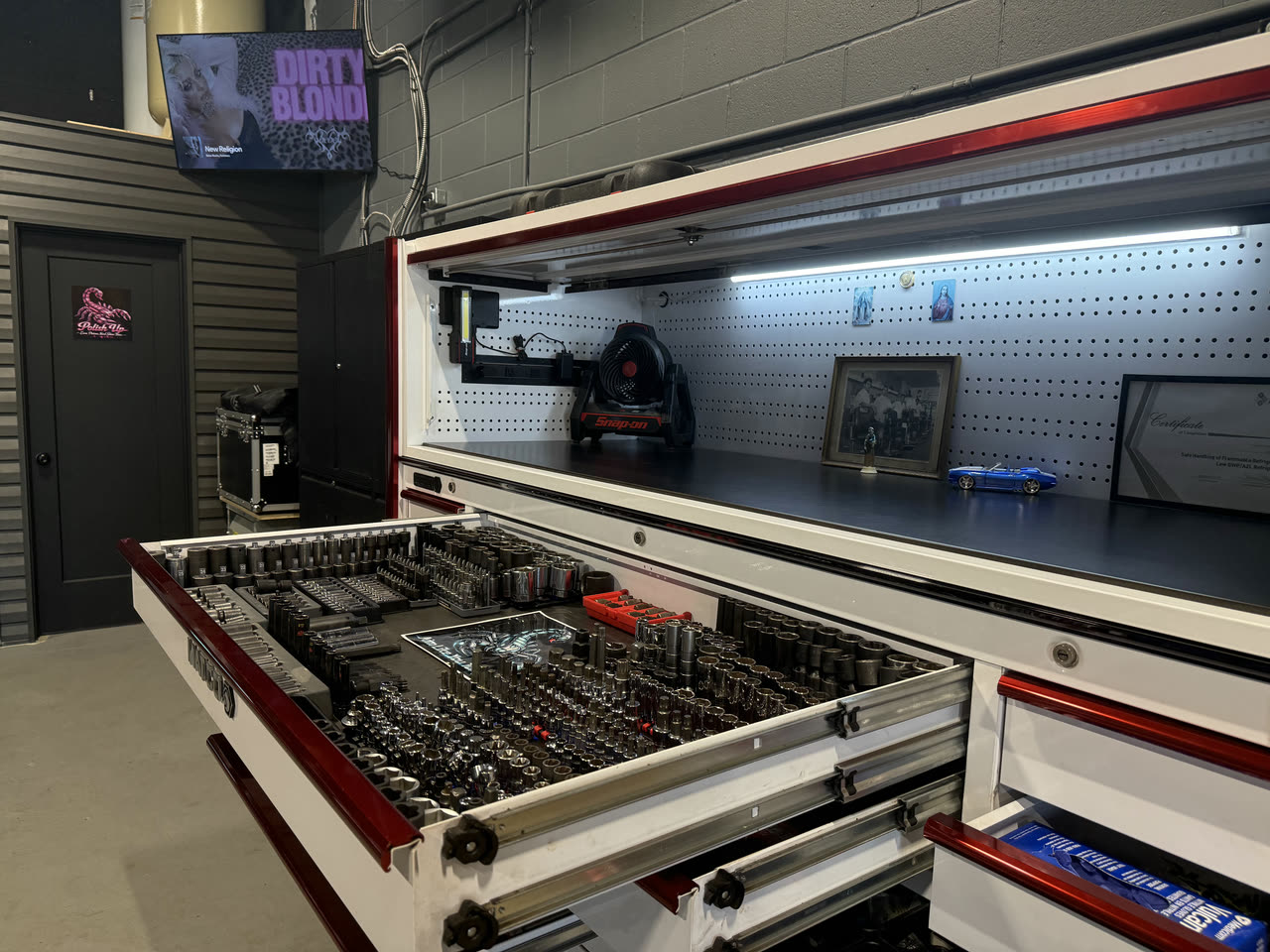
At our shop on Blackwell Street in Ottawa, ON, a check engine light diagnosis starts at $150 before tax, parts extra, with the scan included. That covers reading every stored and pending code, reviewing the data around the fault, and the testing to confirm the cause. The wider process, including how we handle faults that come and go, is laid out on our car diagnostics page.
Sometimes the light leads somewhere bigger. If testing points inside the engine, such as low compression or a jumped timing chain, the engine repair page explains the next steps. If the light came on alongside flickering gauges or several other warnings at once, the cause may be electrical, and our auto electrical repair page covers how those faults get traced.
Before you clear the code yourself
It is tempting to clear the light with a cheap reader and see whether it returns. Doing that erases the freeze frame data we would use to see what the engine was doing when the fault set, and it resets the readiness monitors the computer uses to track its self tests. If the problem is real, the light comes back anyway, usually at a worse moment.
Leave it on, write down roughly when it came on and what the car was doing at the time, and book a time that suits you. The booking form has room to describe the problem and attach photos of the dash.
Questions
Is it safe to drive with the check engine light on?
If the light is steady and the car drives normally, it is usually fine to drive to an appointment soon. If the light is flashing, the engine is misfiring badly enough to damage the catalytic converter, so ease off, avoid highway driving and have it checked before going any distance.
What does a flashing check engine light mean?
A flashing check engine light means the engine computer has detected a severe misfire. Unburned fuel is reaching the catalytic converter, where it can overheat and destroy the converter. Reduce speed and load, and if the car is shaking hard or you smell fuel, stop driving it.
How much does a check engine light diagnosis cost in Ottawa?
At Scorpion Auto Tech on Blackwell Street in Ottawa, a check engine light diagnosis starts at $150 before tax, with the scan included. That covers reading the codes and the testing needed to confirm the cause. Parts and repairs are quoted once the cause is known.
Can a loose gas cap cause the check engine light?
Yes. A cap that was not tightened after a fill up can fail the fuel system leak test and turn the light on. Tighten it until it clicks, and if the cap was the cause, the light should go out by itself after several days of normal driving.
Will the check engine light reset itself?
It can. If the fault stops happening, the engine computer turns the light off after it reruns its self test and passes for a few drive cycles in a row. The code stays in memory for a while afterward, so a technician can still see what happened.