What a Safety Standards Certificate is for
In Ontario, a used vehicle needs a Safety Standards Certificate before it can be registered to a new owner and plated. Most people need one in these situations:
- You bought a used vehicle privately and want to put your plates on it
- You moved to Ontario, or brought a vehicle in from another province, and need to register it here
- You are selling and want to hand the buyer a certified vehicle so they can plate it right away
A private seller can sell a vehicle as is, without a certificate, and the buyer then gets one before plating it. In a private sale the seller must also give the buyer a Used Vehicle Information Package from ServiceOntario. A vehicle brought in from the United States has a separate federal step as well, the Registrar of Imported Vehicles inspection, which is not the same thing as the Ontario safety.
How certificates are issued now
Since spring 2025, Ontario has issued Safety Standards Certificates electronically through DriveON, the program that replaced the old paper Motor Vehicle Inspection Station system. The inspection has to be done by a licensed technician at a licensed inspection facility, and the certificate is recorded electronically against the vehicle’s VIN. That is why getting the VIN right matters when you book.
What gets inspected
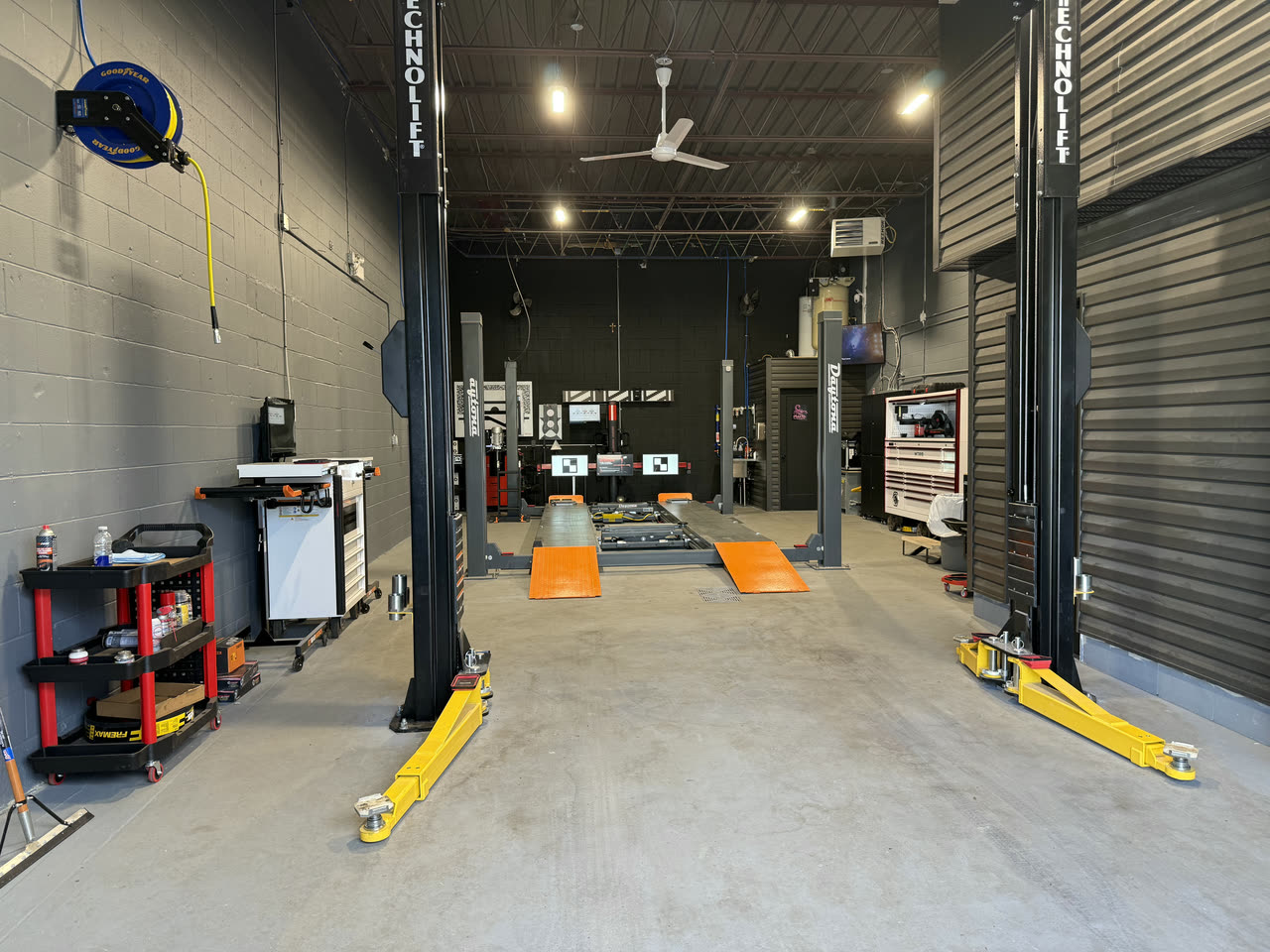
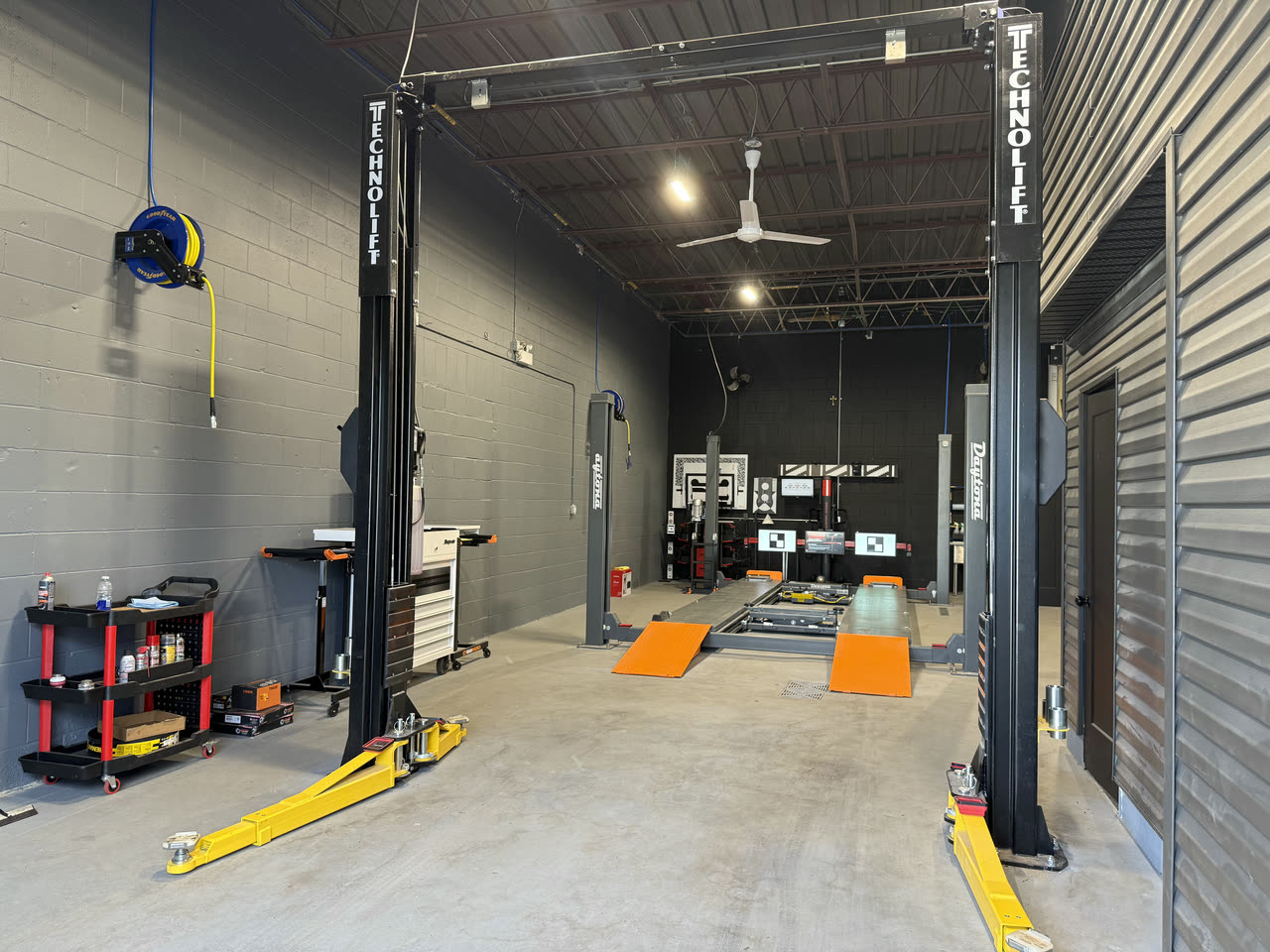
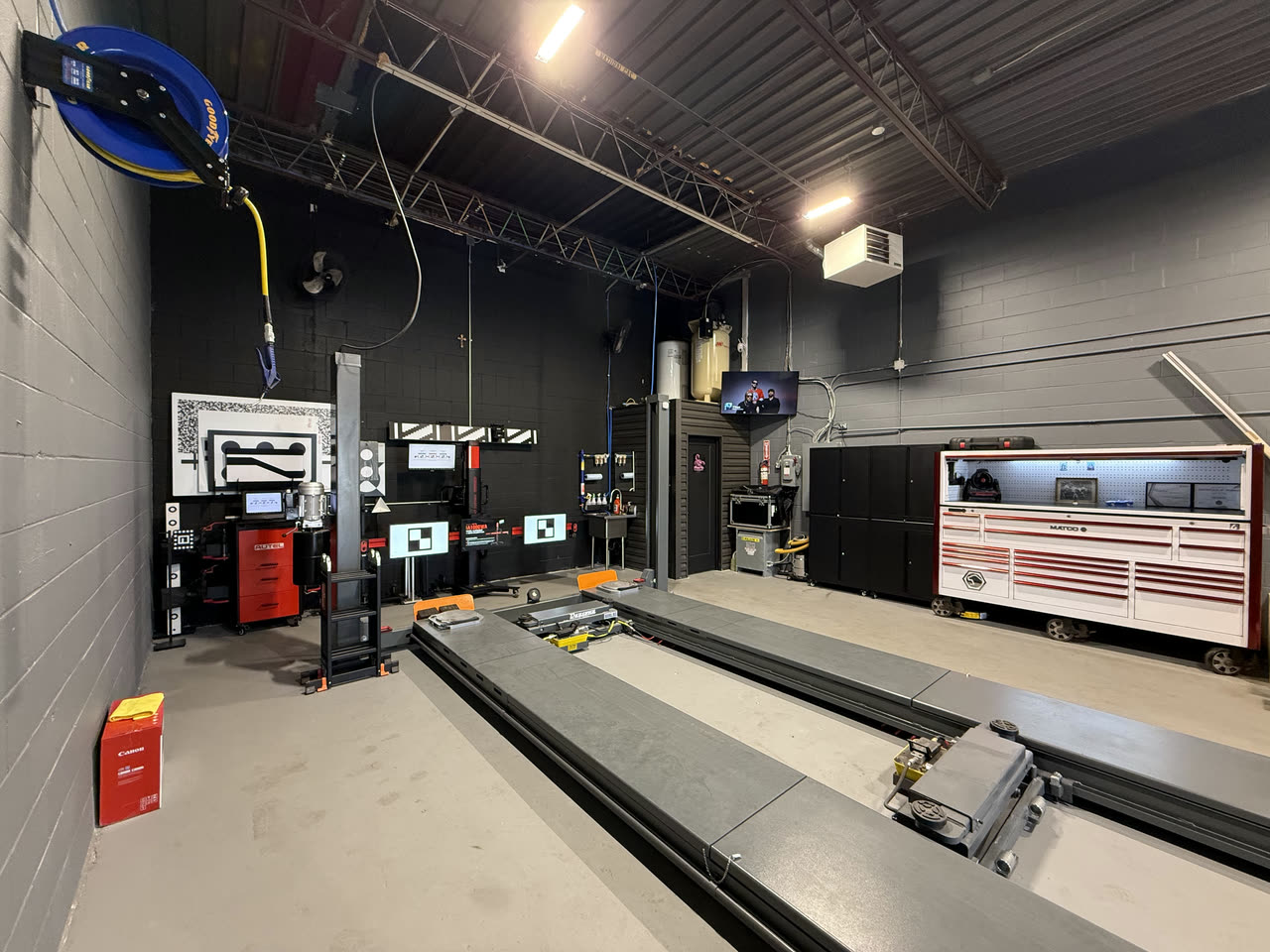
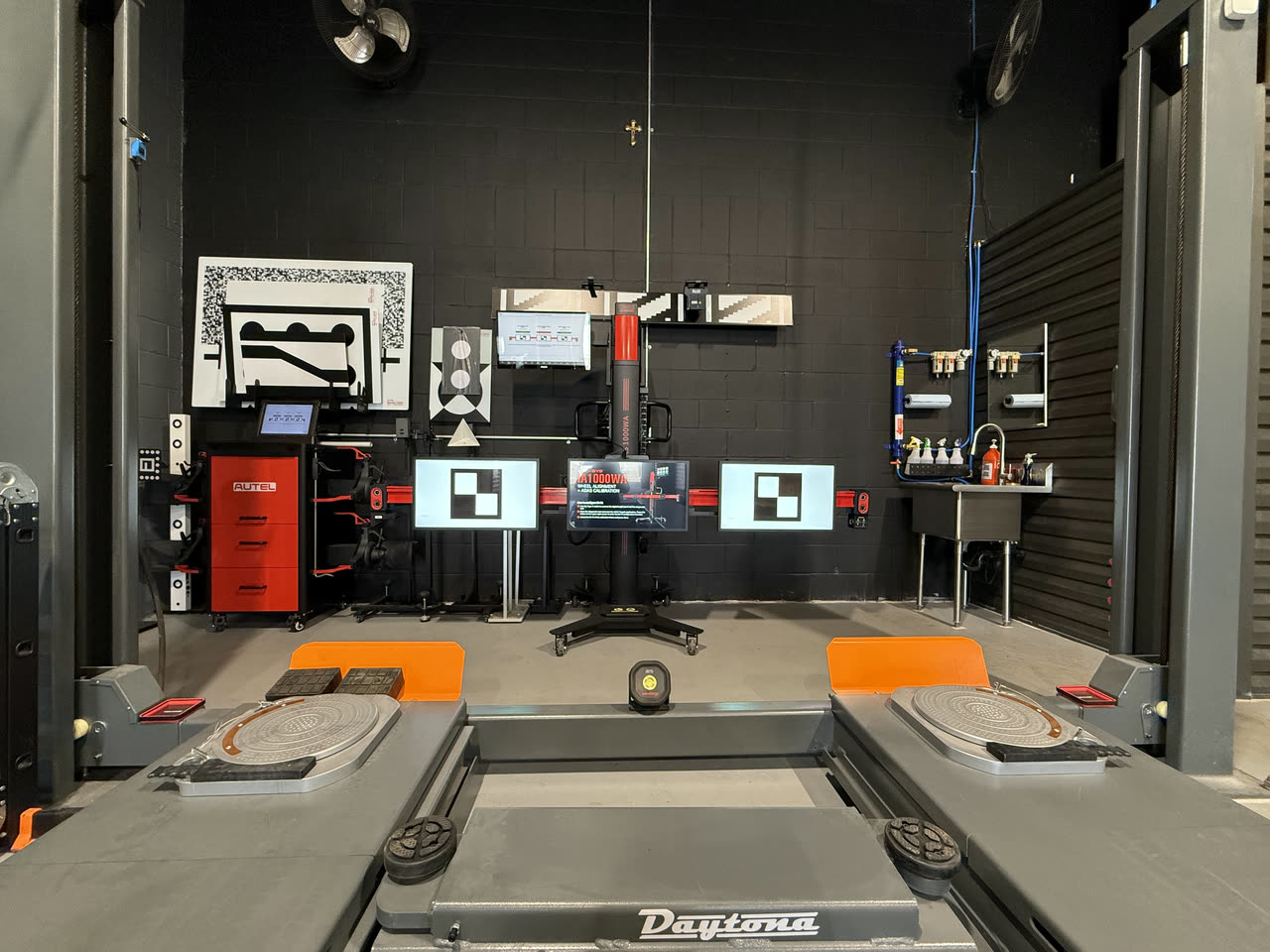
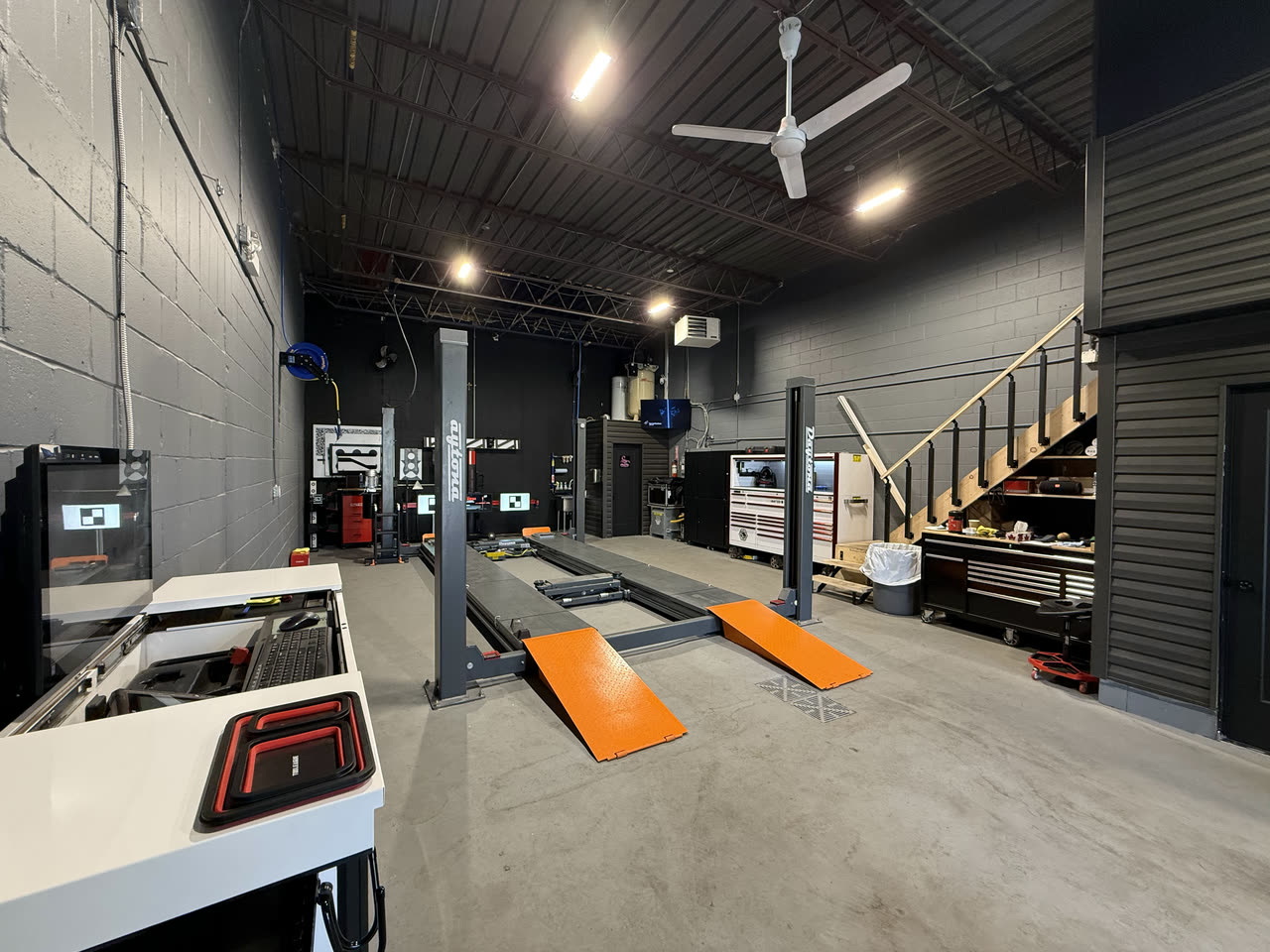
The inspection follows the province’s safety standard for light vehicles, which sets out what is checked and what counts as a failure. The vehicle goes up on a lift, and in broad terms the inspection covers:
- Brakes, including pad and rotor thickness measured against minimums, calipers, lines and hoses, the parking brake and the ABS warning light
- Steering and suspension, including tie rod ends, ball joints, bushings, springs, shocks and struts, and free play in the steering
- Tires and wheels, including tread depth, damage, matching sizes, and the condition of wheel nuts and studs
- Lights and electrical, including headlight aim, signals, brake lights, the horn and the dash warning lamps
- Body and frame, including rust perforation in structural areas, door and hood latches, bumpers and the floor pan
- Glass, wipers and mirrors, including windshield cracks in the driver’s view and working wipers and washers
- Exhaust and fuel system leaks, seatbelts, and instruments such as the speedometer
In a city that salts its roads all winter, a lot of failures trace back to rust. Rusted brake lines, seized calipers, rotted suspension mounts and rust holes in the rocker panels or floor all come up on vehicles that have spent years on Ottawa streets.
The certificate is good for 36 days
A passing certificate is valid for 36 days from the date of the inspection, and it cannot be used to register the vehicle after that. Plan around it. If you are buying privately, line up the sale, the insurance and the ServiceOntario visit so the certificate is still current when you register. If it lapses, the vehicle needs a new inspection and a new certificate.
If the vehicle does not pass
A vehicle that fails does not get a certificate. Instead you get a written list of every item that fell short of the standard, the reason it failed, and a price to fix it. Brakes are a frequent item on that list, and our brake repair page explains what those repairs involve. Once the work is done, the failed items are checked again, and the certificate is issued if everything now meets the standard.
What a safety does not tell you
A Safety Standards Certificate says the vehicle met the minimum standard on the day it was inspected. It is not a warranty, and it does not cover things outside the standard, such as the health of the engine or transmission, whether the air conditioning works, or how long the battery has left. Drive Clean emissions testing ended for passenger vehicles in 2019, so there is no separate emissions test to pass either.
If you are deciding whether to buy a used car, a safety and a pre purchase inspection answer different questions. The safety says the vehicle can be plated. The pre purchase inspection tells you what you are likely to spend on it over the next couple of years, which is worth knowing before the money changes hands.
Price and booking
The Ontario safety inspection at our shop in Ottawa, ON is $200 before tax, parts extra for any repairs it needs to pass. Choose the safety inspection when you book online and add the VIN, ideally by scanning it with your phone camera, since a single wrong character means the certificate is issued against the wrong number. Bring the vehicle permit if you have it. Used car dealers can book safeties through the same page, and our dealer and fleet service page has more on recurring work.
Questions
How much is a safety inspection in Ottawa?
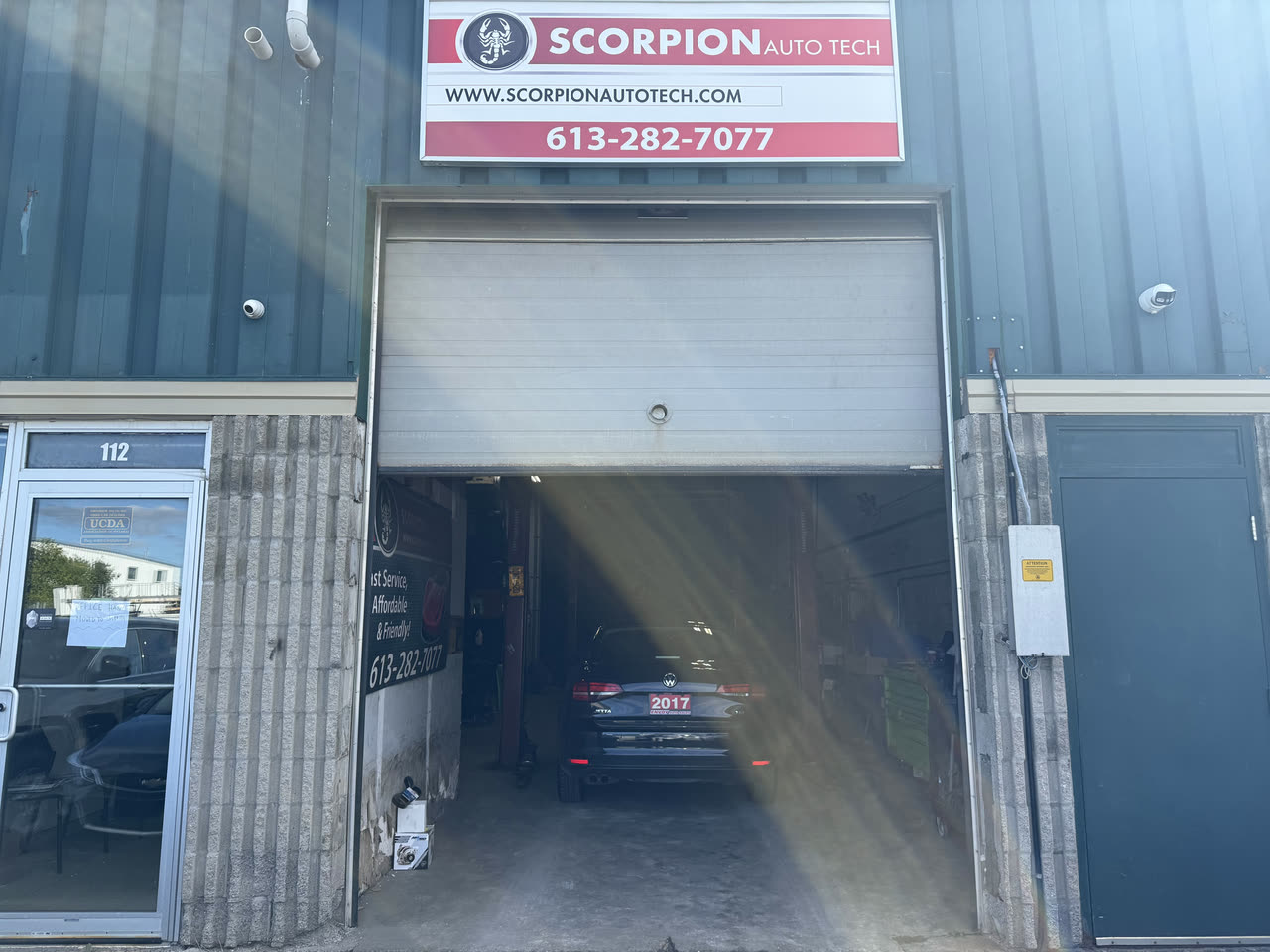
At Scorpion Auto Tech on Blackwell Street in Ottawa, the Ontario safety inspection and Safety Standards Certificate is $200 before tax. Any repairs the vehicle needs to pass are priced separately, and you decide whether to have them done.
How long is an Ontario safety certificate valid?
A Safety Standards Certificate is valid for 36 days from the date of the inspection. The vehicle has to be registered to its new owner within that window, or it will need a new inspection and a new certificate.
What happens if my car fails the safety inspection?
No certificate is issued for a vehicle that does not meet the standard. You get a list of the items that failed and what each needs, and once they are repaired, the vehicle can be checked again and certified if everything passes.
Do I need a safety certificate to sell my car in Ontario?
Not as a private seller. You can sell a vehicle as is without one, but the buyer will need a Safety Standards Certificate before it can be plated in their name. Private sellers must also give the buyer a Used Vehicle Information Package from ServiceOntario.
What is checked in an Ontario safety inspection?
The inspection follows the provincial standard for light vehicles and covers brakes, steering, suspension, tires and wheels, lights, the body and frame for structural rust, glass, wipers, mirrors, exhaust, fuel lines, seatbelts and instruments. Each item is held to a minimum condition set out in the standard.