Road salt and your car
Salt keeps the roads open and quietly eats the underside of every car in Ottawa. Where it does the damage, what slows it down, and what to check in April.
Why salt is so hard on cars here
Ottawa keeps its roads drivable all winter with a lot of salt and brine. Salt on its own does not rust steel. Salt dissolved in water does, much faster than plain water would, and an Ottawa winter supplies plenty of both. Slush thrown up by the tires packs into seams and pinch welds, freezes, thaws, and stays wet for days.
The freeze thaw cycle helps it along. Every time the temperature swings around zero, salty water works into a new crack in the paint or undercoating, and the rust starts from underneath where you cannot see it. The top of the car looks fine. The underside is a different story.
The parts that take the worst of it
When a car comes up on the lift in spring, these are the places we look first:
- Brake lines. The steel lines run along the underbody from the master cylinder to each wheel. They rust from the outside in, often under the clips that hold them. A rusted brake line can burst under hard braking and leave you with a pedal that goes to the floor.
- Caliper slide pins and pad hardware. The pins that let the caliper float seize with rust, and then one pad does all the work. You see it as a pad worn to metal on one side and half its thickness on the other.
- Parking brake cables, which seize in their sleeves so the brake drags or will not release.
- Exhaust hangers and clamps. The rubber hangers sit on steel brackets that rust through, and then the exhaust droops, rattles or breaks a pipe.
- Subframes and control arm mounts, which carry the suspension and steering. Heavy rust here can make an alignment impossible to adjust and can fail a safety.
- Rocker panels and rear wheel arches, where slush sits behind plastic trim and liners. The rust often shows as a bubble in the paint long after the metal behind it is gone.
The brake repair page covers what we measure on the brakes, and rusted suspension mounts and links fall under suspension and steering.
Rinse the underside, not just the paint
Washing in winter is less about looks than about getting the salt off before it sits for weeks. An automatic wash with an underbody spray does more for the car than a perfect hand wash of the paint.
Pick a day when it is above freezing, so the water drains and dries instead of freezing into the door seals and locks. After the wash, drive a little so the brakes and exhaust dry off. In a hard winter, every couple of weeks during the mild spells is a reasonable rhythm, and after any long drive on heavily salted highways.
Do not forget the inside. Salty slush from your boots soaks the carpet and the floor below it, and a car that stays damp inside rusts the floor pans and smells of mildew by March. Rubber mats that hold the water help.
Rust proofing: the main types
There are a few general approaches, and they behave quite differently:
- Oil spray. A thin oil sprayed into seams, doors, rocker panels and box sections, and over the underbody. It creeps into gaps and keeps moisture off the metal. It drips for a few days after application and wears off, so it is normally done every year, ideally in the fall.
- Dripless or wax based coatings. Thicker than oil, so less mess, but they do not creep into seams the same way.
- Rubberised or hard undercoating. A thick layer on the exposed underside that also deadens road noise. If it cracks or chips, water can get behind it and stay there against the steel, and it is hard to see what is happening underneath.
Whatever you choose, the best time is on a newer car before rust starts, and every year after that. On a car that already has heavy scale, a coating slows things down but does not reverse damage.
The spring inspection
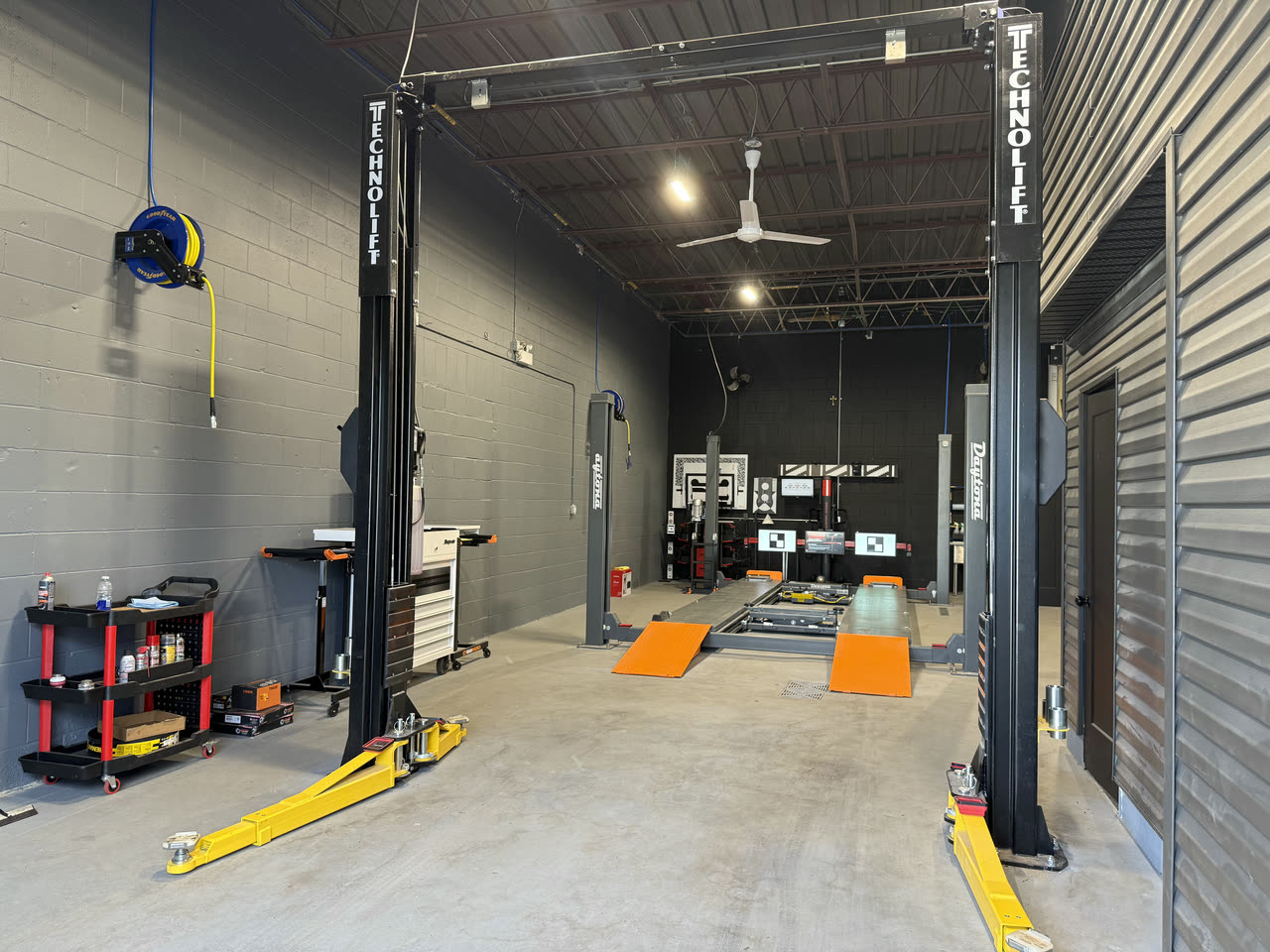
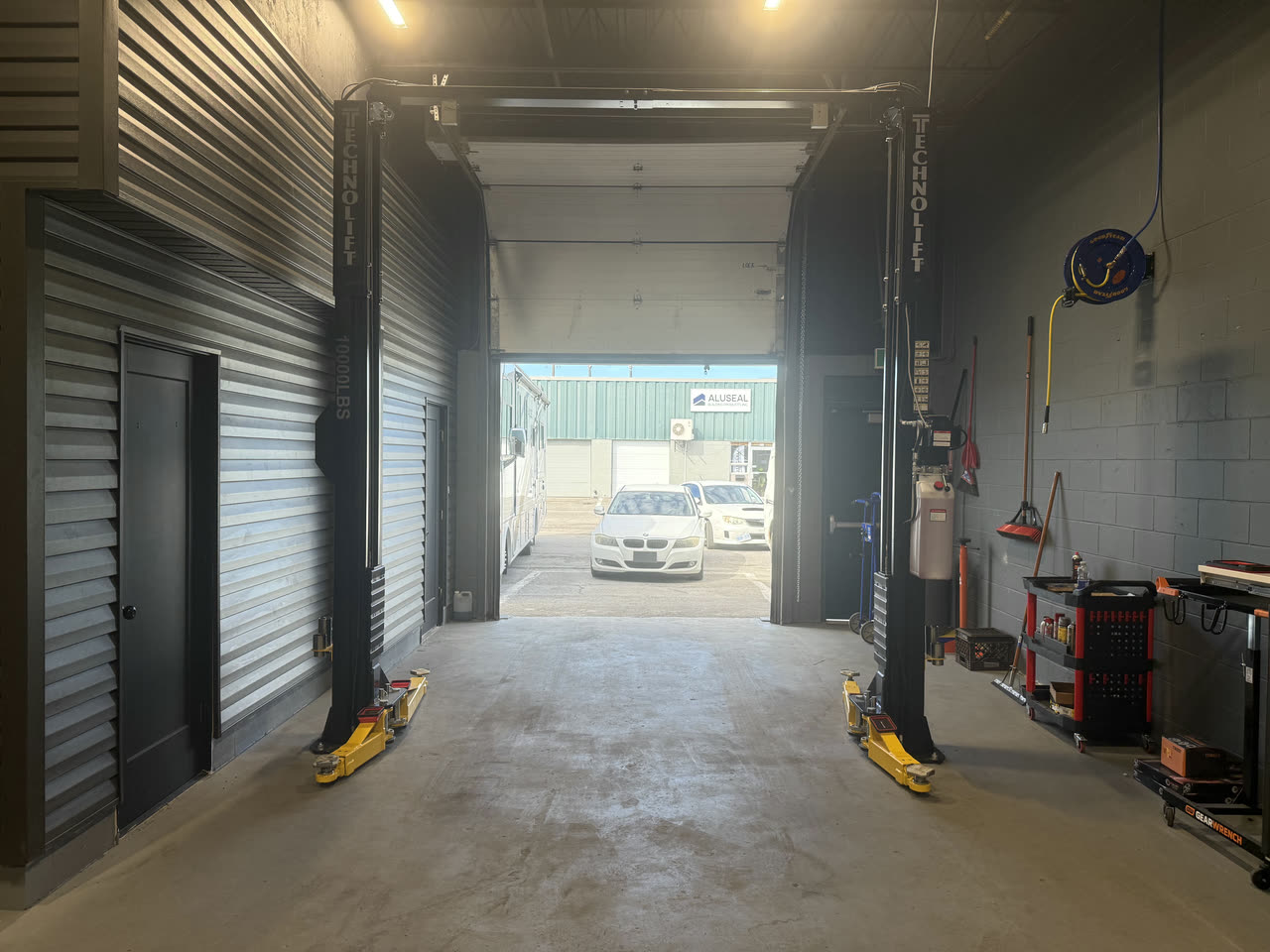
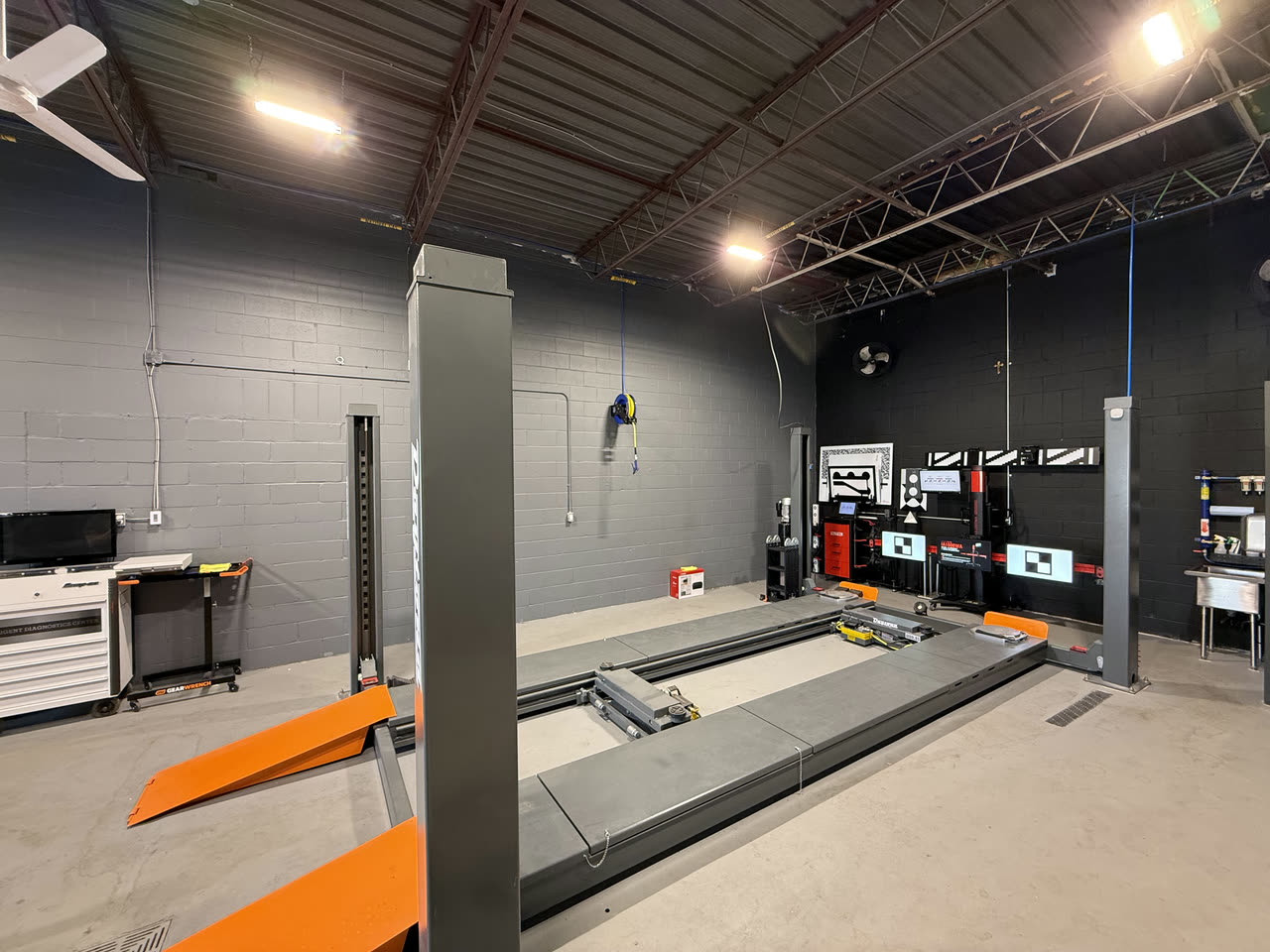
April, when the winter tires come off, is the natural time to look underneath. The wheels are off, the car is on a lift, and every problem the winter started is visible.
A spring check worth doing covers the brake lines along their whole run, the caliper slides and pad wear on each wheel, the parking brake, the exhaust hangers and clamps, the subframe and suspension mounts, and the rockers and wheel arches. Freeing seized slides and replacing a short section of brake line in April is a much smaller job than a seized caliper or a burst line in July.
If you are planning to sell the car this year, rust on brake lines, structural mounts and suspension parts is a common reason a vehicle fails an Ontario safety inspection. Better to find out on your own schedule than when you have a buyer waiting.
You can book online and ask for the brakes and underbody to be looked at during your spring tire swap. If something has already started to sound or feel different, a grinding brake or a rattle from under the car, mention it in the description.
Questions people ask
How does road salt damage a car?
Salt dissolved in water speeds up rust on bare and scratched steel. The worst damage is underneath, where slush packs into seams and stays wet for days. Brake lines, brake hardware, exhaust hangers, subframes, rocker panels and wheel arches take the most of it.
Should I wash my car in winter in Ottawa?
Yes, especially the underside. Rinsing off salt on a day above freezing, with an underbody spray, takes away what would otherwise sit in the seams until spring. Washing in deep cold can freeze door seals and locks, so pick a milder day.
What is the difference between oil spray rust proofing and undercoating?
An oil spray is a thin oil that creeps into seams and box sections and keeps moisture off the metal. It drips for a while and usually has to be redone every year. A rubberised or hard undercoating forms a thick layer on the exposed underside, but if it cracks, water can get behind it and sit against the steel.
Related work
Book it tonight
Pick a time on the booking page whenever it suits you, describe what the car is doing and add a few photos. Drop it off on the day you picked, before 4pm.